Gear & care
Electric vs pellet smoker: follow the heat, then compare the chores
On this page · 5 sections
Straight answer
In the electric cabinets compared here, an electric element heats the cooker and separate wood supplies smoke. Pellet cookers burn wood pellets for heat and smoke, while electricity operates their feed, ignition and controls. Choose by the actual model’s fuel, temperature modes and maintenance instructions rather than the presence of a digital display. [1] [4] [8]
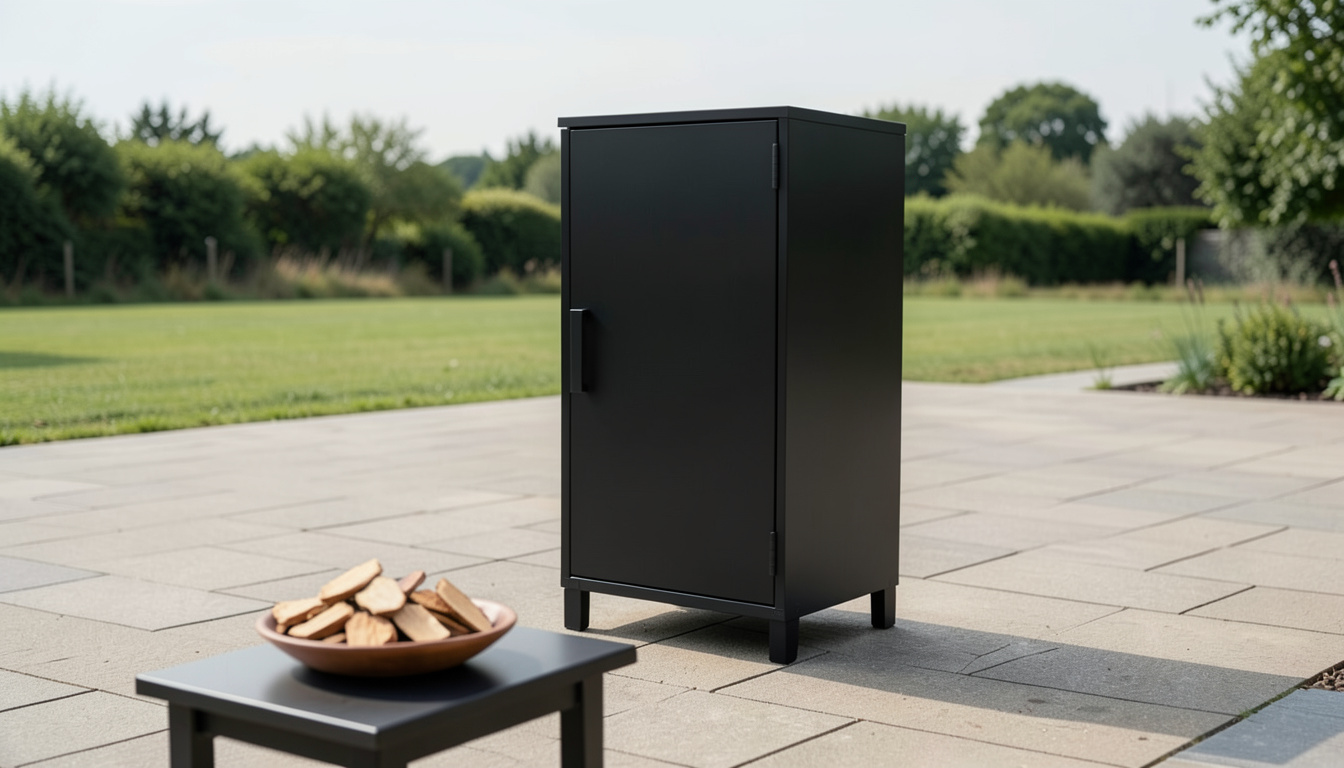
Both plug in; the cooking heat comes from different places
Start with one question: what keeps producing cooking heat after ignition? Cookshack’s SM025 specification separates its electric heating element from the wood smoldering in its wood box; Weber’s Searwood manual describes pellets delivered by an auger, ignited by a glow plug and burned with air from a fan. The Weber glow plug switches off after ignition, so it should not be mistaken for a cabinet’s cooking element. [4] [8]
A digital screen describes the controls, not the fuel system. The SM025 has electronic temperature control and remains an element-heated cabinet, while the Masterbuilt MB20070210 uses an analog dial. Treat those as two examples within the cabinet category, rather than assuming every electric smoker has the same controls or wood-loading procedure. [1] [4]
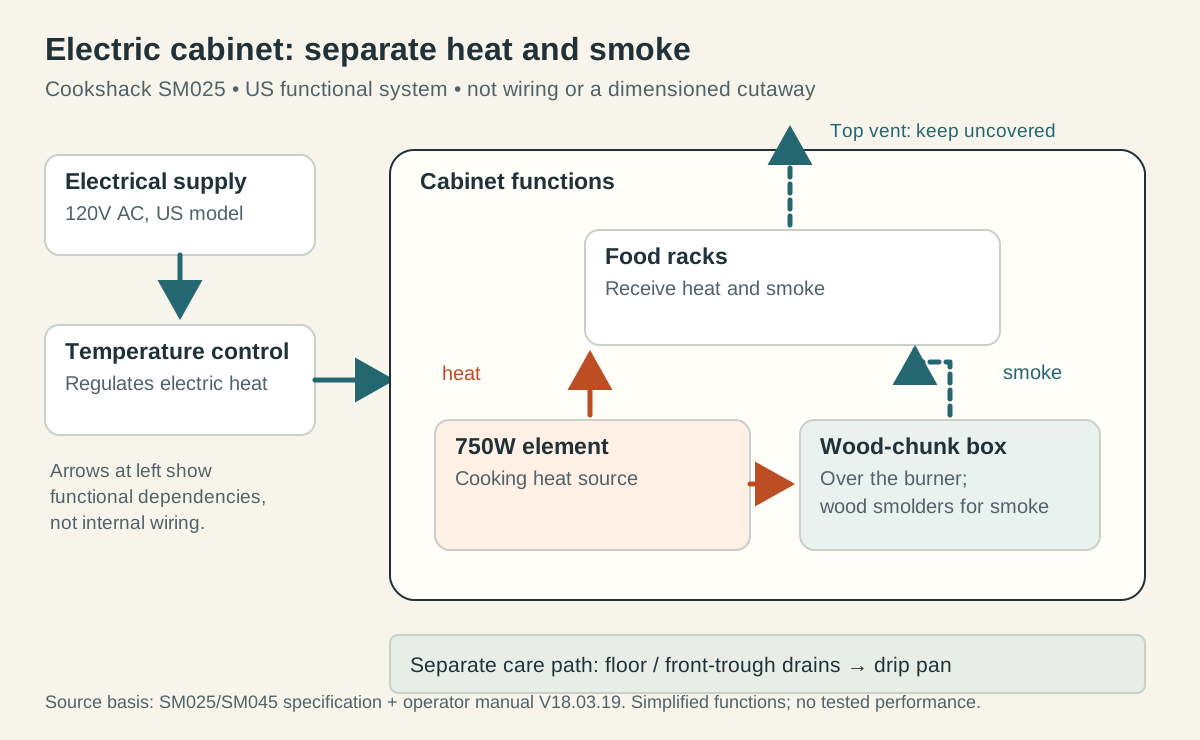
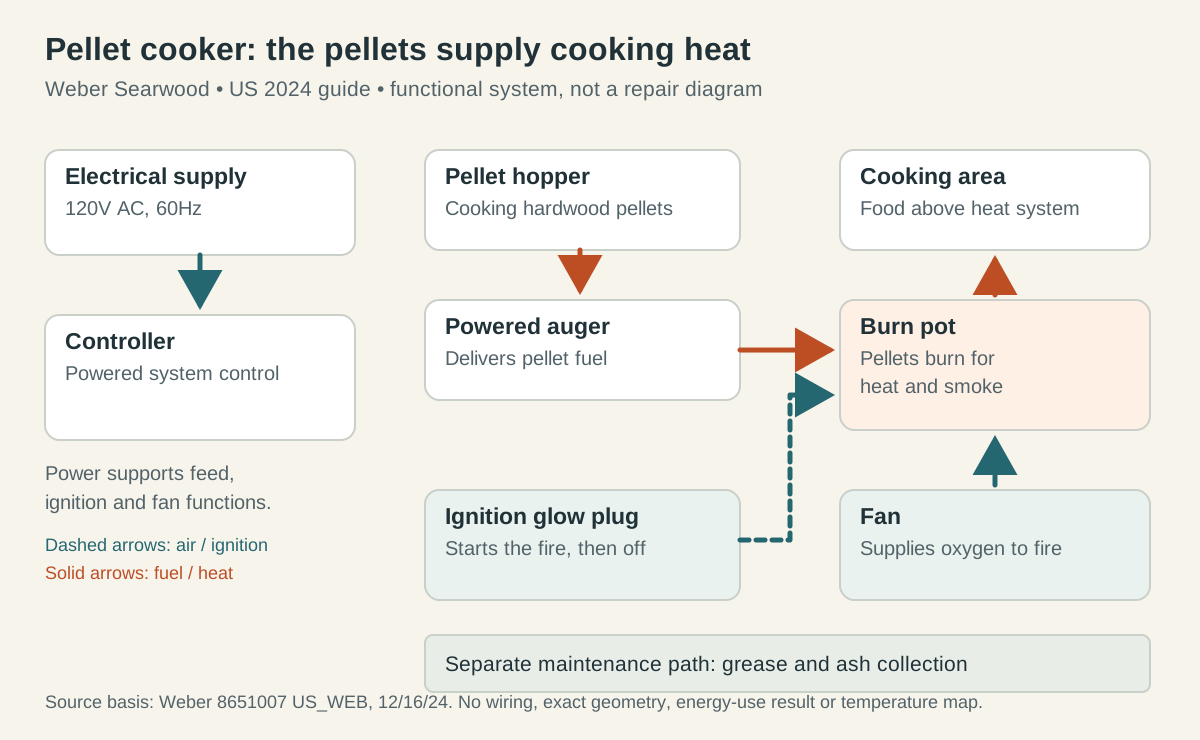
Read the diagrams as a way to sort responsibilities: heat source, smoke material, electrical functions and cleaning path. They deliberately use functional blocks so that a reader cannot mistake a simplified drawing for instructions to remove a heat shield, alter wiring or substitute fuel.
Four models, with the exceptions left visible
This comparison uses US documentation for the named models, including Cookshack’s 2018 manual, Traeger’s Pro 575/780 ENv26 guide and Weber’s US guide dated December 16, 2024. A published range is a manufacturer specification, not a measured grate-temperature result or a promise that the lowest temperature remains stable in every weather condition. [5] [7] [8] [9]
On a narrow screen, scroll the table sideways to compare all columns.
| Model and heat / smoke source | Published range and exceptions | Power information | Cleaning duties |
|---|---|---|---|
| Masterbuilt MB20070210 analog cabinet: element heat; wood chips for smoke. Its manual excludes pellets and chunks. [1] [2] | 100–275°F advertised. Analog dial; no measured temperature claim. [1] | Compatible replacement element kit 9907150018 is rated 1500W. The sources used here do not establish operating voltage or whole-unit draw; check the appliance label. [3] | Unplug and cool completely; clean racks, supports, water bowl, drip tray and chip-bowl ash as directed. [2] |
| Cookshack Smokette Elite SM025: 750W electric element; wood smolders in a separate box. The manual includes wood chunks. [4] [5] | 140–300°F advertised. Its normal start differs from Masterbuilt’s preheat procedure. [4] [5] | US specification: 120V single phase, listed 7A and 750W heating element. Those are separate ratings, not a measured consumption figure. [4] | Disconnect and cool; wash racks, remove wood ash and drippings, clean the drip pan and keep the drain open. [5] |
| Traeger Pro 575: cooking pellets supply heat and smoke; electrically powered pellet system. [6] [7] | 165–500°F on the current product page; do not substitute a seasoning temperature from an older instruction. [6] | 120V AC on the product page. No running-watt or energy-per-cook figure is asserted here. [6] | Inspect the grease path and clean grates, drip tray, drain and bucket; manual specifies cold firepot-ash cleaning every 20 hours of use. [7] |
| Weber Searwood 600, US model 1500120: pellets, auger, ignition plug and fan. [8] [9] | 180–600°F overall; Set Temperature mode selects 200–600°F. SMOKEBOOST and Manual Mode have different behavior. [8] | 120V AC, 60Hz, 1.3A in the US guide. This is a manufacturer rating, not measured running power. [8] | Remove grease and ash as directed; clean the collection system before cooking and perform interior maintenance only after cooling and unplugging. [8] |
The Searwood illustrates why a single range can mislead. Its SMOKEBOOST range is 180–200°F and depends on ambient conditions, while Manual Mode uses intensity levels 1–10 for open-lid cooking rather than a selected temperature. A buyer planning a specific low-temperature task should check the relevant mode, not just the largest range printed on the box. [8]
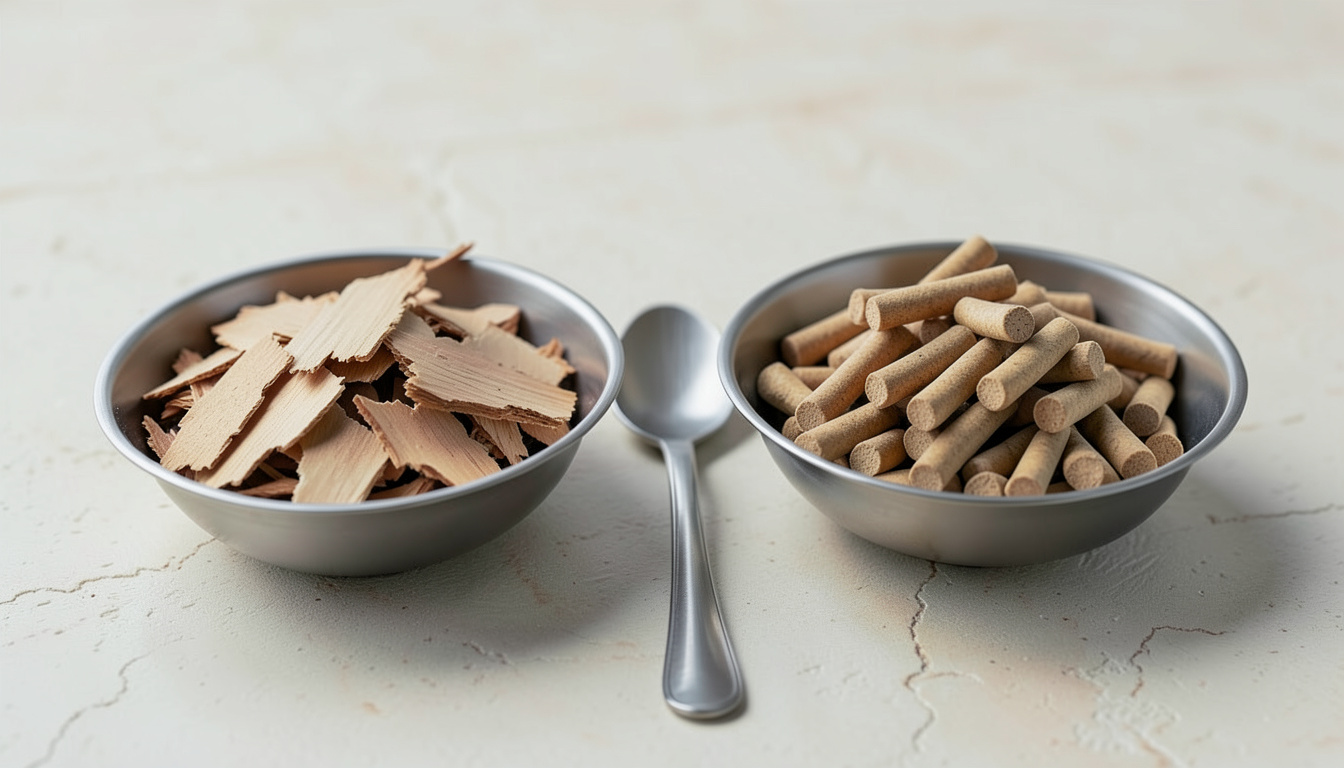
The ownership difference shows up before and after cooking
Even the two cabinet starts differ: Masterbuilt prescribes 30–45 minutes at maximum temperature before loading food; Cookshack normally tells the owner to load and start without preheating unless the recipe specifies it. These are manufacturer procedures, not stopwatch results. Copying a routine from another electric smoker can therefore miss the very instruction that distinguishes your model. [2] [5]
The Traeger guide starts an automatic ignition and preheat sequence and calls for a full shutdown cycle after cooking. Weber also requires its shutdown procedure to finish before unplugging. Include that powered finishing step in your routine instead of treating the wall plug as the normal off switch. [7] [8]
Compare the surfaces you will actually reach. The cabinet examples have smoke-wood residue, food racks and drippings to handle; the pellet examples add a pellet-combustion area and model-specific grease and ash systems. The table identifies those tasks but cannot tell you how many minutes they take or which owner will find them easier. [2] [5] [7] [8]
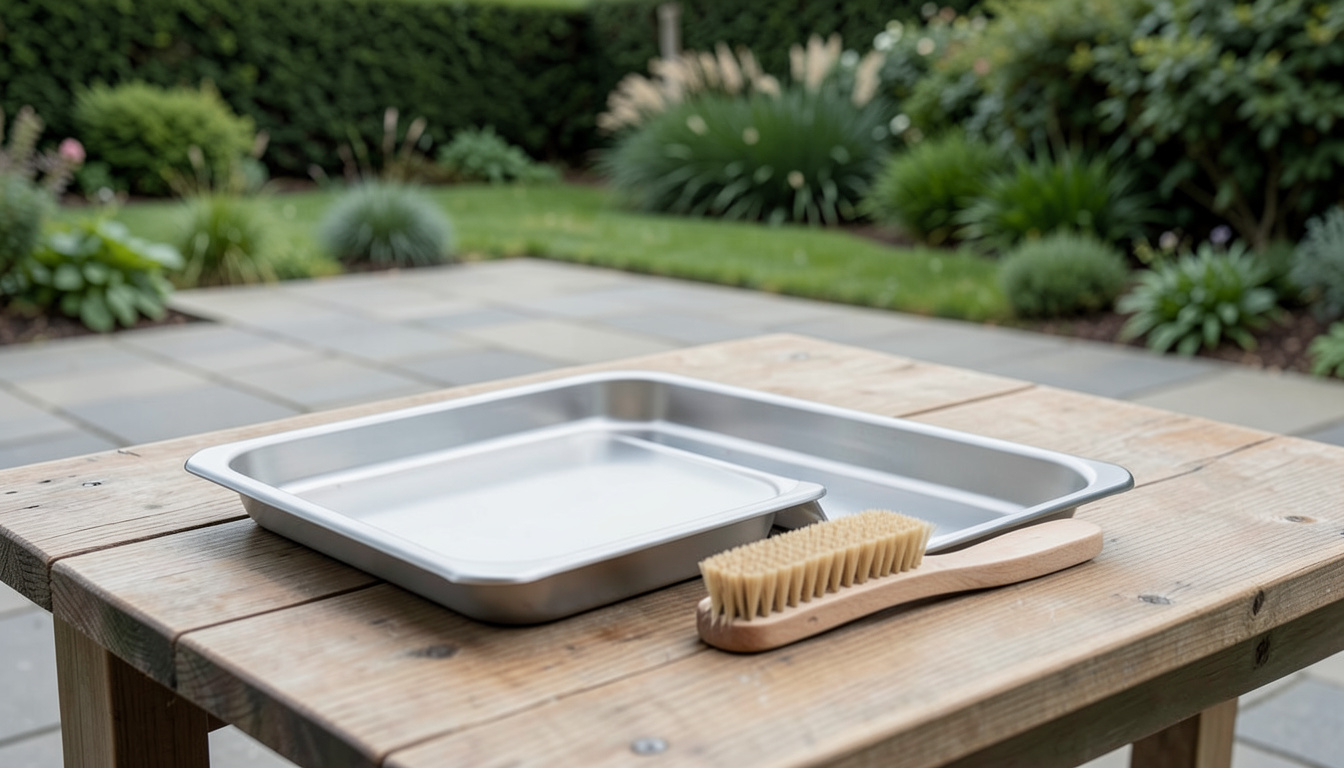
Traeger’s 20-hour ash instruction comes with an off, unplugged and cold-grill requirement. It is not permission to vacuum warm ash or a guarantee that grease can wait for the same interval. Keep each component’s instruction attached to that component. [7]
Choose the routine you want to keep
- If you want an element-heated cabinet, compare the smoke-wood format and loading routine first: this Masterbuilt is chips-only, while the SM025 documentation includes chunks. Do not transfer either instruction to another model. [2] [5]
- If your plan includes hotter cooking, compare the documented upper limit and the required mode: these cabinet examples top out at 275°F and 300°F, versus the published pellet-model ranges above. Range alone does not establish searing performance. [1] [4] [6] [8]
- If you are comparing convenience, read the complete start, shutdown and cold-cleaning sections side by side. Write down the tasks you can realistically do; do not substitute an unsupported claim that one category is maintenance-free. [2] [5] [7] [8]
- For either system, match the exact model, market and revision before arranging power or selecting fuel. The US SM025 manual explicitly distinguishes its 120V supply from export models. [5]
The word electric does not establish indoor suitability. Cookshack’s specification advises against indoor operation, and the Traeger manual specifies outdoor use; follow the exact placement, ventilation and clearance instructions for your cooker. A sheltered location and an enclosed room are different decisions. [4] [7]
My model-specific ownership check
Fill this in from the manual and rating label for the exact unit you are considering. Leave an answer blank until you can identify the relevant source.
These entries are personal notes. They are not sent to a restaurant or submitted to this site.
Use the electric-smoker guide or pellet-smoker guide once you know which workflow fits. For a pellet-fuel planning exercise, the pellet-consumption calculator is a separate next step; the comparison here makes no claim about your fuel bill or a taste winner.
Sources and method
- Masterbuilt 30-inch analog electric smoker MB20070210 current productSource checked · www.masterbuilt.com
- Masterbuilt MES 30B/MES 35B owner manual including MB20070210Source checked · manuals-cdn.masterbuilt.com
- Masterbuilt compatible 1500 Watt analog element kitSource checked · www.masterbuilt.com
- Cookshack SM025/SM045 current-linked specification sheetSource checked · www.cookshack.com
- Cookshack SM025/SM045 owner manualSource checked · www.cookshack.com
- Traeger Pro 575 current productSource checked · www.traeger.com
- Traeger Pro 575/780 ENv26 owner manualSource checked · traeger-web-public-prod.s3-us-west-2.amazonaws.com
- Weber Searwood 600/XL 600 USA 2024 owner manualSource checked · digital-assets.weber.com
- Weber exact model 1500120 manual searchSource checked · www.weber.com
How this article is prepared
Researched and drafted with AI assistance from the cited sources. Examples and calculations retain their stated assumptions; illustrations do not establish restaurant visits or equipment tests.
About BBQ Explorer