Pellet Consumption Calculator
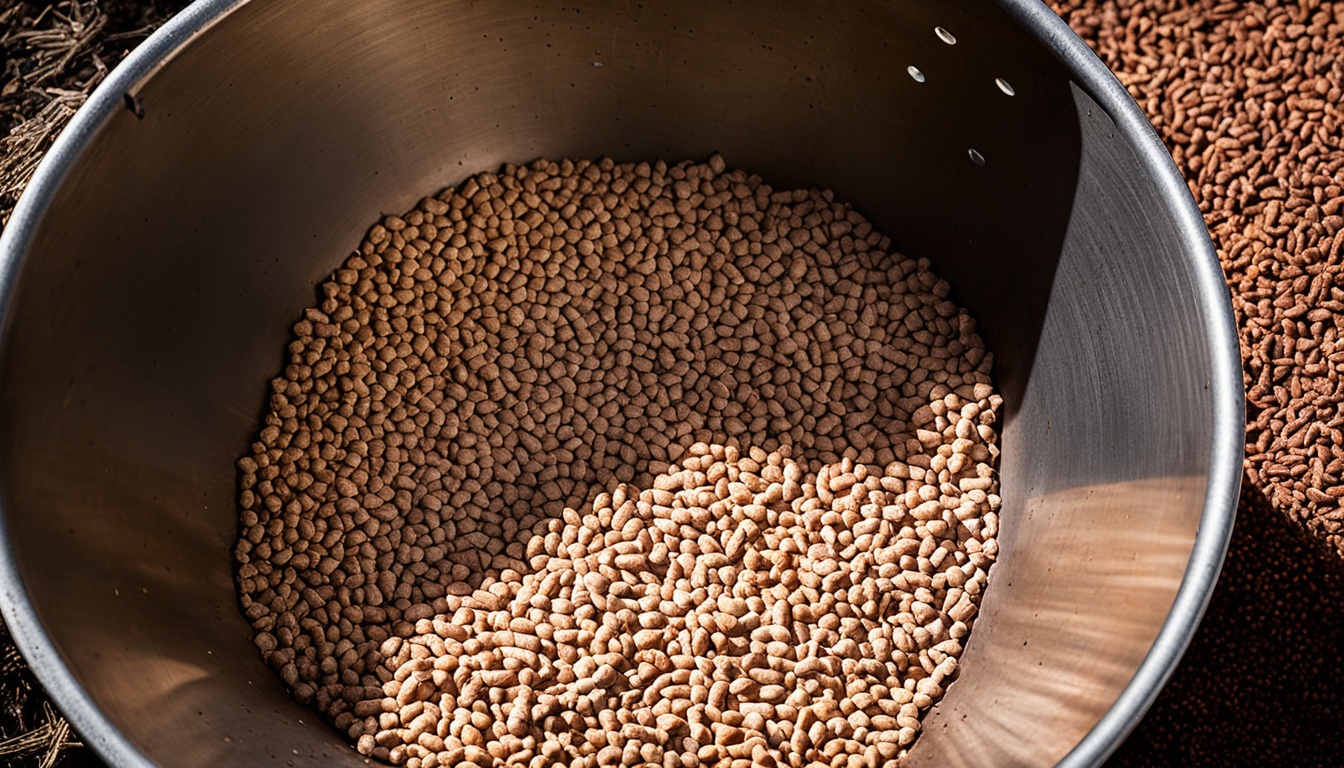
Enter cook hours, bag weight, and bag price, then choose a named endpoint, manufacturer estimate, or custom burn rate. Traeger's guide gives a 20-hour lower-temperature endpoint and a 6-hour higher-temperature endpoint. Camp Chef's 3 and 4 lb/hr estimates apply only on high in good weather for its 24- and 36-inch grills.
Plan pellet use and bag purchases
Enter your cook and bag details, then choose one named manufacturer scenario or supply a custom burn rate. Presets are not universal rates or measurements by this site.
| Item | Value | Source |
|---|---|---|
| Typical pellet bag weight in the Traeger guide | 20-pound bag | Traeger |
| Traeger bag-time endpoint range | 6 to 20 hours | Traeger |
| Traeger lower-temperature smoking endpoint | Up to 20 hours | Traeger |
| Rate derived from the 20-lb, 20-hour endpoint | 1 lb/hr | Site arithmetic from Traeger endpoints |
| Traeger higher-temperature grilling endpoint | About 6 hours | Traeger |
| Rate derived from the 20-lb, 6-hour endpoint | About 3.33 lb/hr | Site arithmetic from Traeger endpoints |
| Camp Chef 24-inch grill estimate on high in good weather | About 3 lb/hr | Camp Chef |
| Camp Chef 36-inch grill estimate on high in good weather | About 4 lb/hr | Camp Chef |
Scope and caveats
Each preset retains the scope of the source statement behind it.
- Traeger gives a 6-to-20-hour span that depends on cooking temperature. The calculator treats the lower-temperature 20-hour and higher-temperature 6-hour values as endpoints, not promises for every grill or cook.
- The Traeger rates are transparent arithmetic: 20 pounds divided by 20 hours is 1 lb/hr, and 20 pounds divided by 6 hours is about 3.33 lb/hr. Traeger supplies the bag-size guidance and time endpoints; it does not state those two derived rates as universal measurements.
- Camp Chef says many variables affect consumption. Its 24-inch estimate of about 3 lb/hr and 36-inch estimate of about 4 lb/hr apply on high in good weather. These are manufacturer estimates in that stated scope, not site measurements.
- A custom rate lets the reader use information specific to another grill, setting, weather condition, or observed cook. The page does not label a custom entry as manufacturer guidance.
- Pellet consumption equals hours x rate. Bag equivalents equal pellet consumption divided by bag weight. Consumption cost prorates the entered bag price across that fraction of a bag.
- Full bags to buy rounds bag equivalents up to the next whole bag. Purchase outlay is full bags multiplied by the reader's bag price, so it can be higher than prorated consumption cost. Runtime per bag is bag weight divided by rate.
- No pellet price is prefilled, and the page makes no current-price claim.
How this page is sourced
The calculator combines reader-entered cook and bag costs with one explicitly named manufacturer endpoint, manufacturer estimate, or custom rate. Presets are planning scenarios, not universal burn rates or site measurements.
FAQ
What do the Traeger presets represent?
They use a typical 20-pound bag with Traeger's lower-temperature endpoint of up to 20 hours or higher-temperature endpoint of about 6 hours. The resulting 1 and approximately 3.33 lb/hr rates are derived planning rates, not universal rates stated by Traeger.
What do the Camp Chef presets represent?
Camp Chef estimates about 3 lb/hr for a 24-inch pellet grill and about 4 lb/hr for a 36-inch pellet grill, specifically on high in good weather. The page preserves those conditions instead of applying the estimates to every setting or weather condition.
How are pellet consumption and bag equivalents calculated?
Pellet consumption is cook hours multiplied by the selected pounds-per-hour rate. Bag equivalents are that consumption divided by the reader's bag weight. Traeger's guide gives a 6-to-20-hour endpoint range rather than a temperature-by-temperature rate table.
Why are consumption cost and purchase outlay different?
Consumption cost uses the fractional bag equivalent consumed. Purchase outlay rounds that quantity up to a whole number of bags before multiplying by the reader's bag price. Neither calculation supplies or assumes a current pellet price.
How is runtime per bag calculated?
Divide the reader's bag weight by the selected burn rate. For context, Traeger's named endpoints span higher-temperature cooking at about 6 hours and lower-temperature smoking at up to 20 hours.