Regions
Lexington vs Ayden BBQ: settle your pork preference
On this page · 7 sections
Straight answer
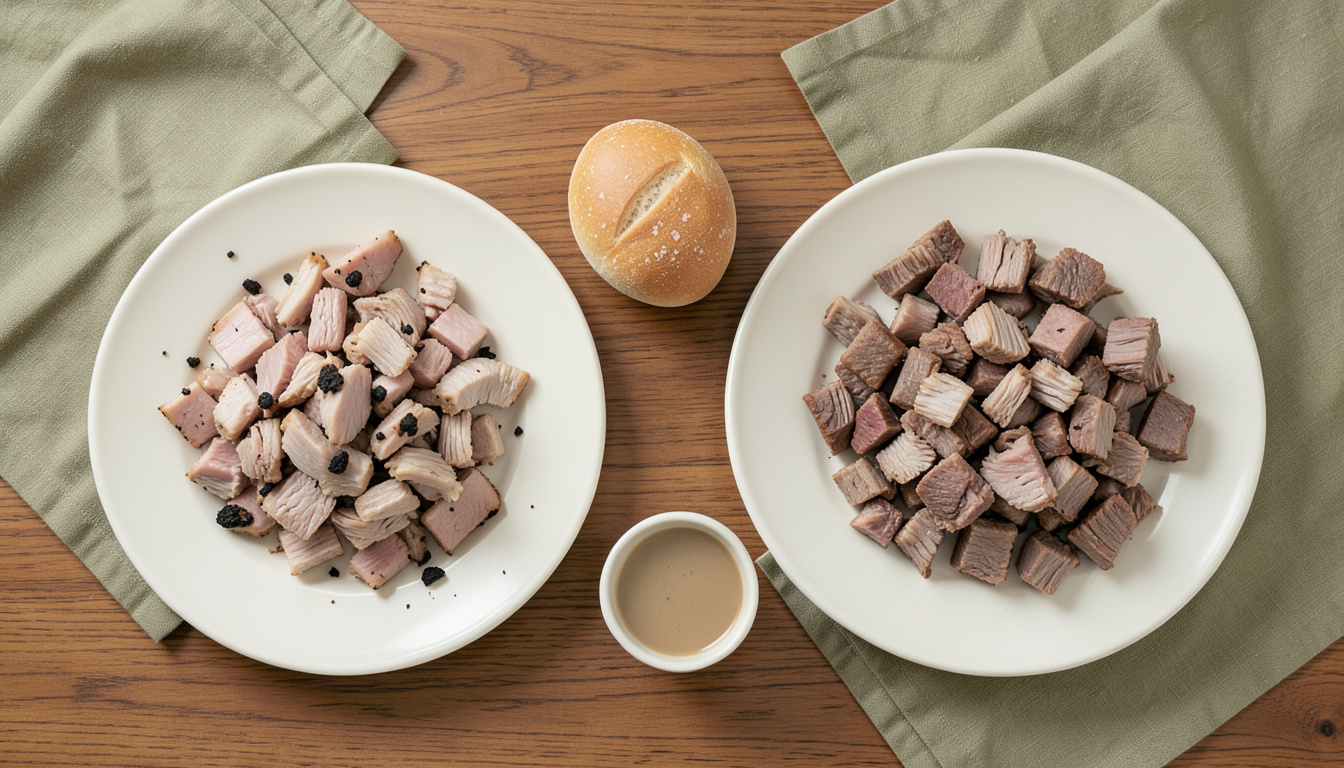
Choose Lexington Barbecue if you want to explore pork shoulder and different cutting formats; choose Skylight Inn in Ayden if whole hog is the meal you came for. Both operators describe cooking with wood, so this matchup is more useful when it asks what you like about the pork and the complete order. The tasting tally below records your group’s votes without turning them into a statewide verdict. [1] [2] [3]
Two towns, two clearly stated starting points
Lexington and Ayden keep pork at the center and let you ask what matters most: the meat tradition, the cut you order, or the whole meal around it. Pick that question before appointing a winner.
The named matchup here is Lexington Barbecue in Lexington and Skylight Inn in Ayden. Lexington Barbecue says it cooks pork shoulders over oak and hickory coals; Skylight Inn says it has cooked whole hogs over wood since 1947. Those are two concrete operator statements, not rules that every restaurant in either town must follow. [1] [2]
On a narrow screen, scroll the table sideways to compare all columns.
| Round | Lexington Barbecue | Skylight Inn, Ayden | Useful question |
|---|---|---|---|
| Meat tradition | Pork shoulders over oak and hickory coals. [1] | Whole hogs over wood. [2] | Do you want a shoulder-focused meal or a whole-hog reference point? |
| Format choices | The menu names sliced and coarse-chopped plates. [3] | The site offers barbecue as a sandwich, plate or by the pound. [4] | Are you comparing meat format or a complete sandwich/plate? |
| What comes with a tray? | A tray is described with barbecue, slaw and rolls or hushpuppies. [3] | Confirm the exact current order at the restaurant. | Is the group choosing pork alone or the whole meal? |
| Sauce before tasting | The carryout menu specifies sauce on the meat. [3] | Ask how the selected order is dressed. | Can you record the serving as sold without assuming either one is plain? |
For the diner who wants to compare sliced and coarse-chopped shoulder, Lexington has a particularly clear published starting point. For the diner whose main goal is a whole-hog meal, Ayden’s Skylight Inn is the direct match. If the group is divided, that difference is the reason to taste both—not an inconvenience to smooth away. [2] [3]
Lexington’s round: the cut is part of the order
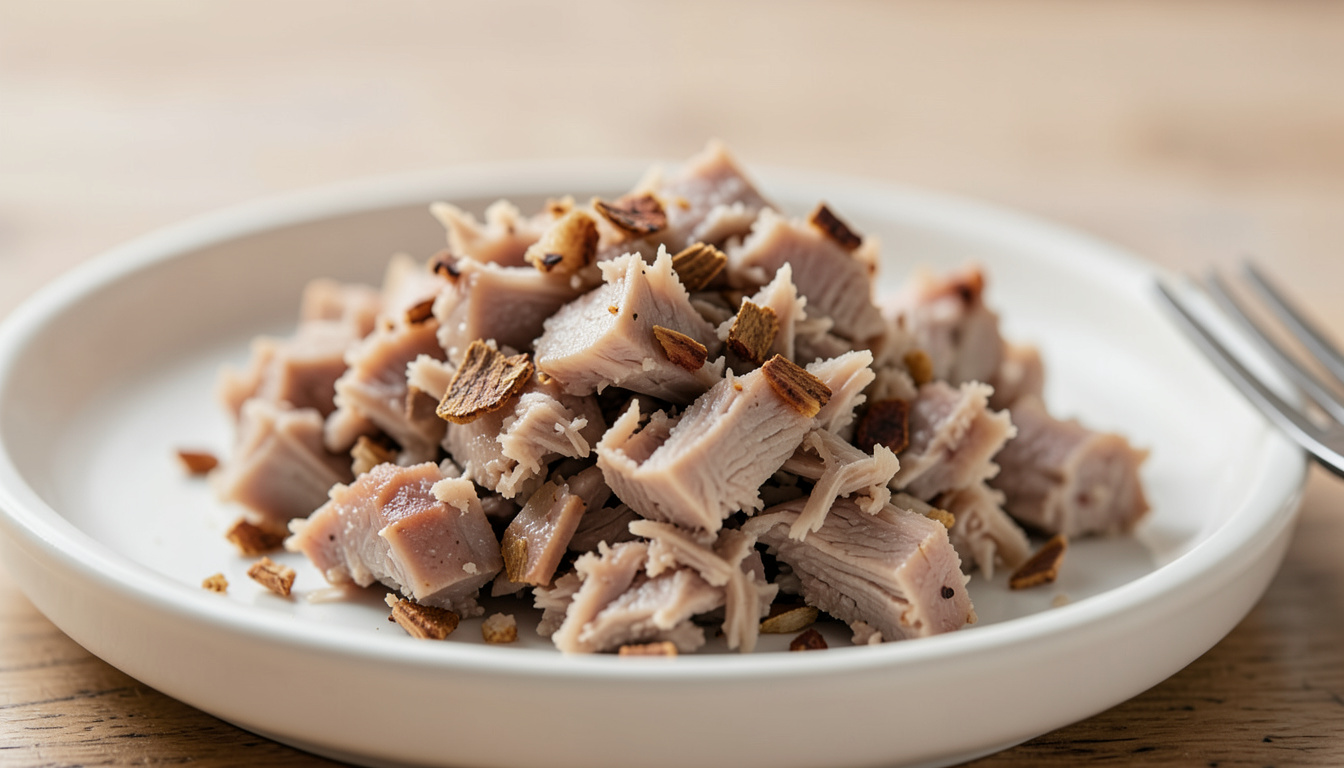
Lexington Barbecue’s menu distinguishes sliced and coarse-chopped plates. Make the choice deliberately: if you are curious about format, do not let the default counter order decide the experiment for you. Ask what the available options mean on that day, then write down what you bought. [3]
There are two different comparisons available. You can compare formats within Lexington Barbecue, keeping the restaurant constant, or compare its pork with Skylight Inn’s pork, keeping your requested serving format as similar as practical. Keep the two comparisons separate.
The tray description includes barbecue, slaw and either rolls or hushpuppies. If those accompaniments matter to you, score the whole tray as a meal; do not hide them in a supposedly meat-only judgment. A diner can prefer one pork sample and still prefer the other complete lunch. [3]
The carryout listing explicitly says sauce is on the meat. Asking for a different preparation is a request, not a promise that it will be available. When you cannot match the dressing, compare each order as sold and say that clearly. [3]
Ayden’s round: make whole hog the reason to stop
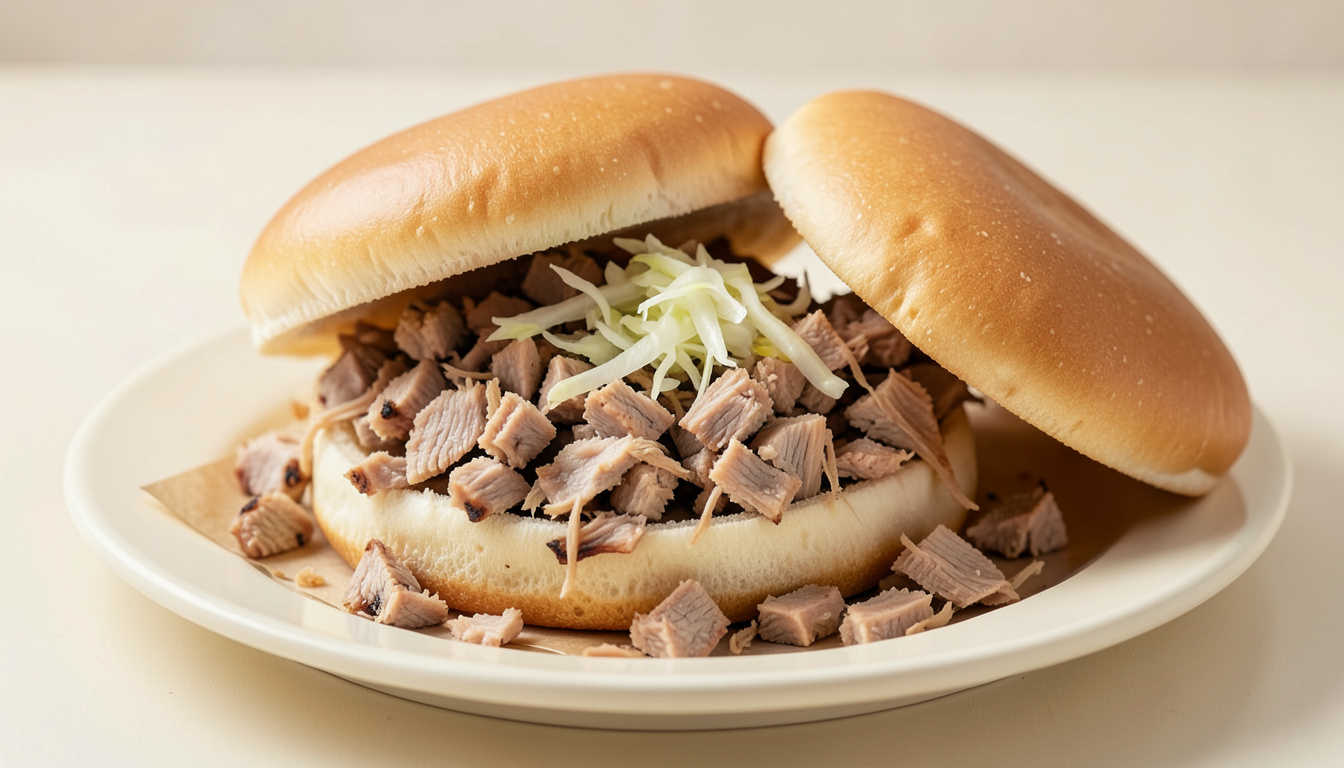
Skylight Inn identifies whole hog cooked over wood as its tradition and dates that practice to 1947. That is enough to make it a purposeful counterpoint to the shoulder-focused Lexington example. You need not claim that one method is inherently better to want to understand the difference. [2]
The site offers the barbecue as a sandwich, a plate or by the pound. Choose the format that fits your question: a sandwich for an everyday lunch comparison, or a small separate portion when you want to focus your notes on the meat. Confirm the actual order and accompaniments rather than filling the gaps from a generic description of eastern North Carolina barbecue. [4]
For a meat-focused comparison, record what you can observe: the size and variation of the pieces, the balance of meat and exterior bits in your sample, and whether the texture suits you. Use your own ordinary words. “I preferred this coarser bite” tells a companion more than awarding authenticity points you cannot substantiate.
If whole hog is new to you, save two separate answers: whether you liked that particular serving, and whether you want another whole-hog meal. One plate need not carry the weight of your entire opinion of the tradition. A curious second visit is a perfectly good result.
Tradition leaves room for your own verdict
When Our State profiled Lexington in 2016, Rick Monk declined to call his restaurant the town’s best and invited diners to make their own choice. That is a useful starting point for a friendly tasting. [5]
There is no ‘best.’ I’m not the best. They’re not the best. I want you to decide
In Garden & Gun’s April/May 2019 interview, Sam Jones described learning to appreciate other barbecue traditions while keeping the whole-hog, wood-fired practices he grew up with. [6]
We still cook whole hogs over wood; those core values haven’t changed.
Use the traditions to understand the plates, then record what your own tasters prefer. The vote below belongs to your table; it is not an endorsement from either speaker.
A small tasting that produces a useful answer
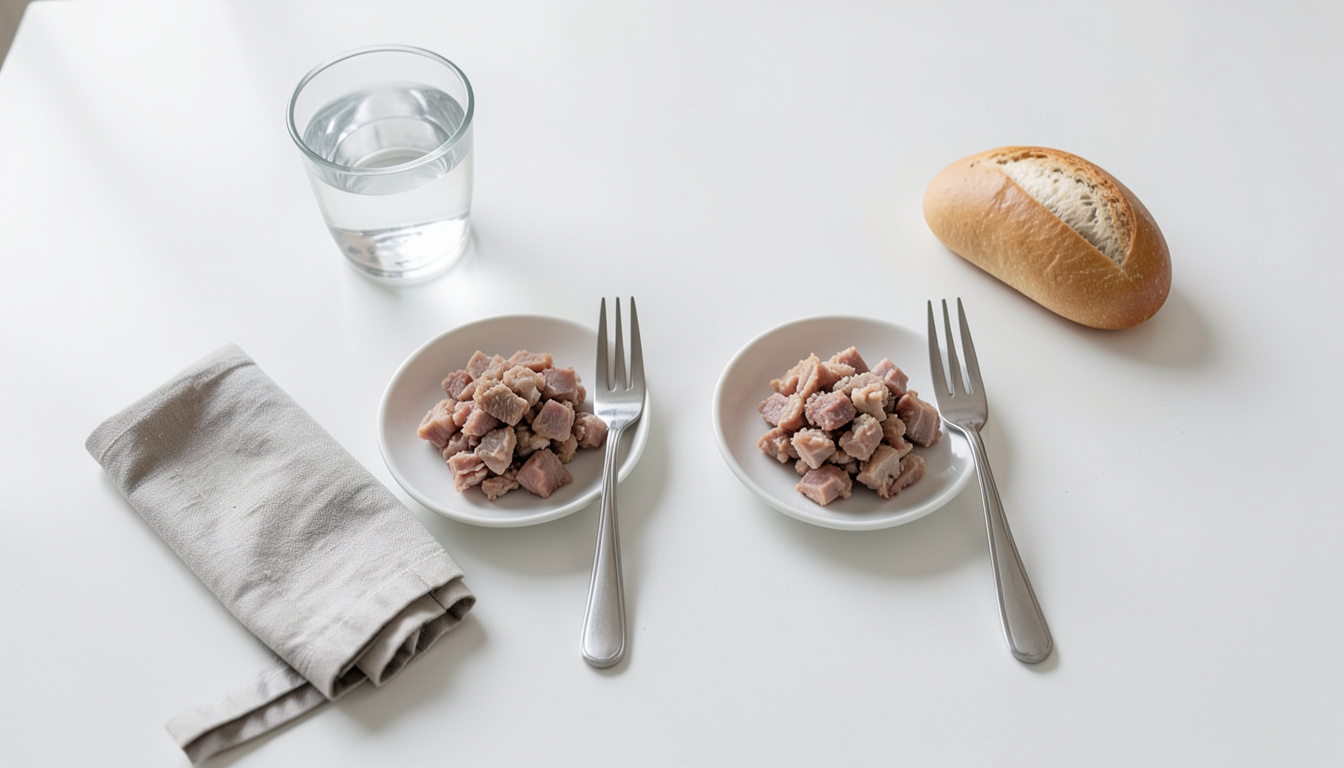
The cleanest practical goal is a preference comparison, not a controlled experiment. Buy portions your group can comfortably taste, identify the exact orders, and avoid giving one sample extra toppings while leaving the other alone. If the meals happen on different days, record that; memory-based votes deserve a different description from a side-by-side tasting.
- Choose the question in advance: preferred pork sample, preferred sandwich, or preferred complete meal. Use one question for one tally.
- For a side-by-side tasting, have one organizer privately record which sample is A and which is B. Do not put city names on the tasting plates.
- Use similar sample amounts and the same additions where practical. Note the serving formats and any unavoidable difference in dressing.
- Let half the group try A first and the other half B first. This spreads the order of tasting rather than assuming it cannot matter.
- Ask each diner for A, B or tie, plus one short reason, before anyone announces a choice. “Tie” is a real result.
- Reveal the mapping, record the two restaurants and orders, then enter one vote per participant. Keep a meat-only round separate from a whole-meal round.
Suppose eight diners take part: four choose Lexington, three choose Ayden and one calls a tie. Lexington receives 50% of all eight ballots, Ayden 37.5%, and ties 12.5%. Lexington leads this group by one vote; it does not have a majority of all ballots, and the tied diner has not disappeared.
Now suppose you run a second round on the complete meal and Ayden wins five votes to two, with one tie. Keep both results rather than combining them into a muddled average. The group has learned that the preferred pork and preferred lunch can be different decisions.
Tally Lexington, Ayden and the ties

Your pork tasting ballot count
Enter one choice per participant from a single tasting question. Include ties so every ballot remains in the denominator. The example is invented; replace it with your actual counts after collecting votes privately.
Example values are filled in; replace them with your own. Nothing you enter leaves this page.
Enter a whole number of ballots.
Enter a whole number of ballots.
Enter a whole number of ballots.
How this is calculated
Every Lexington, Ayden and tie ballot counts once.
How this is calculated
Lexington votes divided by all participants, including ties.
How this is calculated
Ayden votes divided by all participants, including ties.
How this is calculated
Tie votes divided by all participants.
How this is calculated
Positive means more Lexington votes; negative means more Ayden votes; zero means equal named choices.
Limits: This tally describes only the people, restaurants, orders and question you used. It is not a representative poll or statistical significance test. With no votes, percentages are undefined. Whole-number votes are required; a tie is never silently reassigned.
A narrow result is an invitation to read the reasons, not to manufacture precision. If the group splits evenly, choose based on the format you want next time. If all the votes are ties, the calculator reports that honestly instead of awarding a city a win by default.
Lexington wins the decision when choosing your shoulder format is the main attraction; Ayden wins when the whole-hog tradition is what you want to explore. Your tasting can then settle a smaller, more satisfying argument: which exact order this group wants again. Keep the rival town on the next-trip list.
Sources and method
- Lexington Barbecue: official cooking descriptionSource checked · www.lexbbq.com
- Skylight Inn: whole-hog cooking traditionSource checked · www.skylightinnbbq.com
- Lexington Barbecue menu: formats, tray and carryout descriptionSource checked · www.lexbbq.com
- Skylight Inn: advertised serving formatsSource checked · www.skylightinnbbq.com
- Like a Local: Lexington — Our StateSource checked · www.ourstate.com
- North Carolina’s Barbecue Baron — Garden & GunSource checked · gardenandgun.com
How this article is prepared
Researched and drafted with AI assistance from the cited sources. Examples and calculations retain their stated assumptions; illustrations do not establish restaurant visits or equipment tests.
About BBQ Explorer