Regions
St. Louis vs Kansas City ribs: compare the whole dinner
On this page · 7 sections
- The rivalry gets interesting after the base price
- St. Louis: a city can borrow a style and make a meal its own
- Kansas City: one side and toast may be the right bundle
- Let the pitmasters describe the flavor
- Count the sides you need and the sides you get
- Build the two rib dinners you would actually buy
- Sources and method
Straight answer
For rib night, compare the complete dinner before giving either city the point. Pappy’s St. Louis rib menu includes two sides; Joe’s Kansas City rib dinners include one side and Texas toast. Those are different bundles, and the lower base price may change once you add what your table wants. Use the matched-side calculator after confirming the actual rib order. [1] [2]
The rivalry gets interesting after the base price
Two rib orders can look close on a menu and become very different dinners. One gives each diner the sides they wanted; the other requires an extra order, or leaves someone negotiating over the last spoonful.
This guide compares Pappy’s St. Louis location with Joe’s Kansas City restaurant menu as named examples. It does not assign an average price or universal rib style to either city. Start with the specific branch and order you intend to buy, then compare the meal around it.
On a narrow screen, scroll the table sideways to compare all columns.
| Round | Pappy’s St. Louis | Joe’s Kansas City | How to judge it |
|---|---|---|---|
| Side dishes | Rib menu includes two sides. [1] | Rib dinners include one side and Texas toast. [2] | Choose the same practical side target for your table. |
| Rib order size | Menu lists full and half slabs. [1] | Confirm the exact rib dinner you are comparing. | Do not infer equal meat weight from a similar order name. |
| Style identity | Pappy’s describes its barbecue as Memphis style in St. Louis. [3] | Choose the restaurant preparation you want. | City location and style label are different pieces of information. |
| Finish | Pappy’s describes ribs dry-rubbed and smoked over apple and cherry wood. [1] | Check the finish of the selected order. | Choose your preferred finish before treating a bundle as interchangeable. |
If two side choices are central to the meal, Pappy’s inclusion gives St. Louis a concrete case to investigate. If one side and toast are what the table wants, the Joe’s dinner may already match it. Neither inclusion wins automatically: an unwanted extra side is not the same as money saved.
St. Louis: a city can borrow a style and make a meal its own
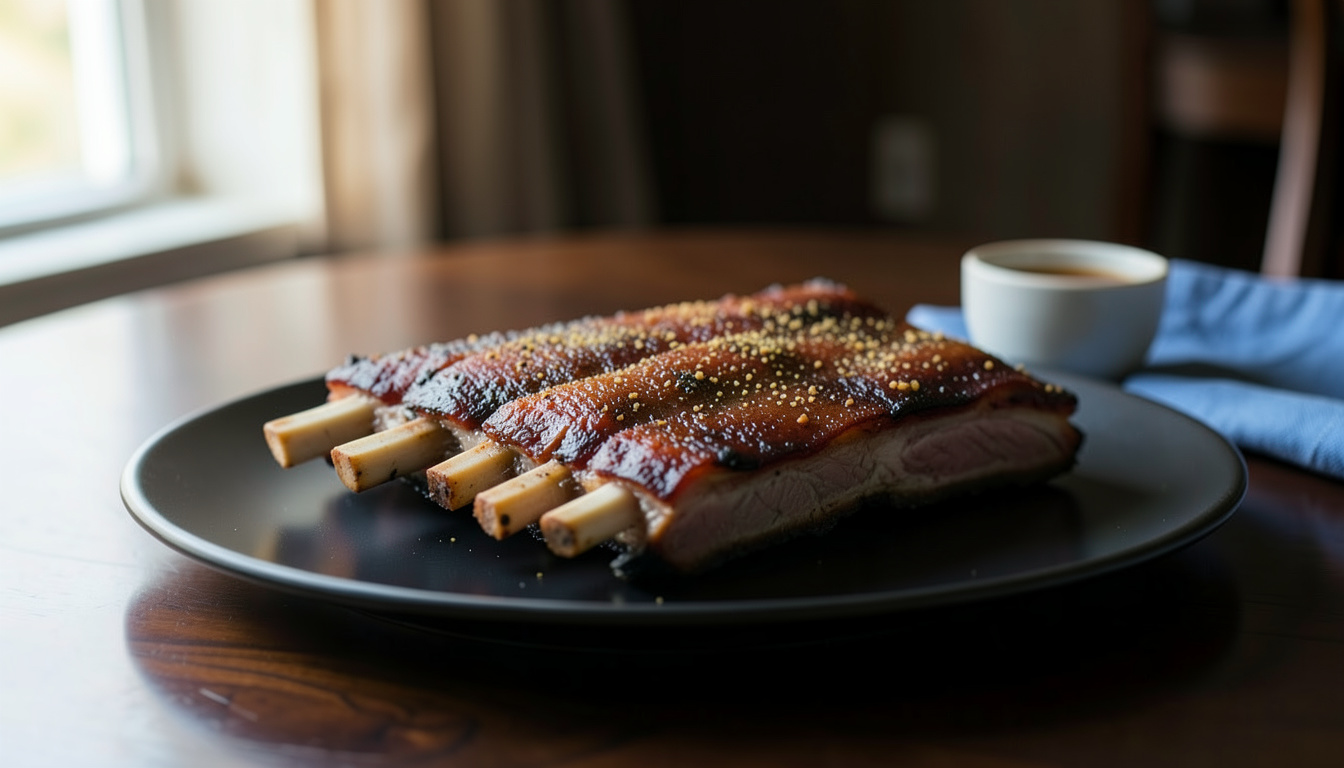
Pappy’s describes serving Memphis-style barbecue at its St. Louis restaurant. That alone should complicate any claim that the city name predicts the recipe on every plate. Choose the restaurant for the meal it describes. [3]
Its St. Louis menu describes the ribs as dry-rubbed and smoked over apple and cherry wood, and lists half and full slabs. Those are useful order details, but they do not give you an edible-meat weight or a promise that every rack is identical. Ask about the current serving when size matters to your group. [1]
The two included sides create a practical choice. One diner might want two different accompaniments, while two people sharing ribs might prefer one side each. Decide how you will use the included portions before assigning them value, and ask about their size rather than assuming a “side” always feeds the same number of people.
For a St. Louis quote, write down the rib order, the two side selections you would actually choose, and any bread, drinks or extras you still want. Then ask whether substitutions or upgrades change the total. Your comparison should describe your intended dinner, not the cheapest version you would never order.
Kansas City: one side and toast may be the right bundle
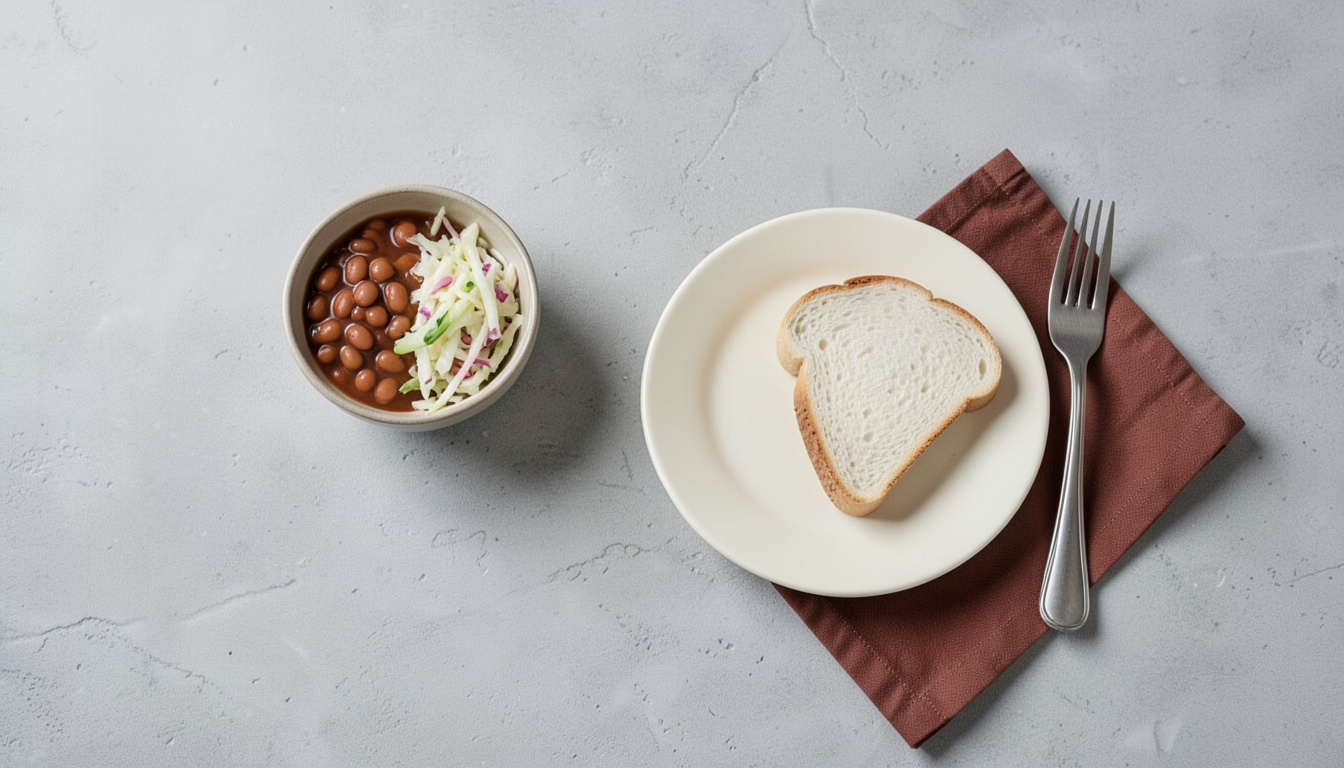
Joe’s rib-dinner section says the dinners come with one side and Texas toast. That is a different starting basket from the Pappy’s rib menu. If the group wants another side, add its actual current price; if it does not, do not charge the Kansas City option for food nobody asked for. [2]
Keep flavor preference outside the price formula. If your group has a clear favorite restaurant, the useful question may be how to order there within budget, not whether another city can beat it by a dollar. The calculator should illuminate the tradeoff instead of pretending a cheaper side proves better ribs.
Bread also belongs in the conversation. A diner who values the included toast may need to add bread to the other basket; a diner who does not want it can simply leave bread outside the matching target. State which choice you made so the final total means the same thing to everyone.
Let the pitmasters describe the flavor
Asked about Pappy’s Memphis-style description in a 2008 Sauce interview, Mike Emerson explained his restaurant’s approach. It is a reminder that a St. Louis address and a Memphis-style preparation can sit comfortably together. [4]
I describe it as a dry rub with sauce on the side.
In a 2012 Pitch interview, Jeff Stehney explained his dislike of excessive smoke while discussing the food at Oklahoma Joe’s. The passage follows a description of pork preparation; it is a flavor preference, not a current rib specification. [5]
I don’t want it to taste like a railroad tie.
Keep those flavor questions beside the side-count arithmetic. Matching the dinner baskets helps compare cost; it cannot decide how much smoke, rub or sauce you enjoy.
Count the sides you need and the sides you get

- Identify each exact restaurant, branch, order and channel. A dine-in dinner and a ribs-only carryout order can have different inclusions.
- Confirm that both proposed rib orders suit your diners. Similar words such as half or full do not establish equal edible meat, bone count or cut.
- Set one side target for the whole table. A target of three means three comparable portions your group would buy, not three portions per diner.
- Count the included side portions across each entire order. Enter a consistent portion size or obtain a quote for equivalent containers first.
- Enter the cost of one additional comparable side. If missing sides have different prices, enter their average price or compare the full quoted additions separately.
- Put any other required additions and known charges in the extras field once. Keep optional drinks, tips and travel outside both baskets unless you explicitly include them in both.
Use this invented example: the St. Louis order costs $30 and includes two comparable sides; the Kansas City order costs $29 and includes one. The table wants three sides, and an extra side costs $4 for each option. The completed baskets are $34 and $37, so the cheaper base order costs $3 more after matching the sides.
Now reduce the target to one side, with no other extras. Neither order needs an additional side, and the totals remain $30 and $29. The Kansas City example leads by $1 because the group no longer needs to buy the missing food; the ribs themselves have not changed.
If one quoted side is a small cup and the other a larger container, stop before entering equal counts. Either obtain a comparable-portion quote or compare the full side totals outside the tool. A calculator can do correct arithmetic on a mismatched basket and still answer the wrong dinner question.
Build the two rib dinners you would actually buy
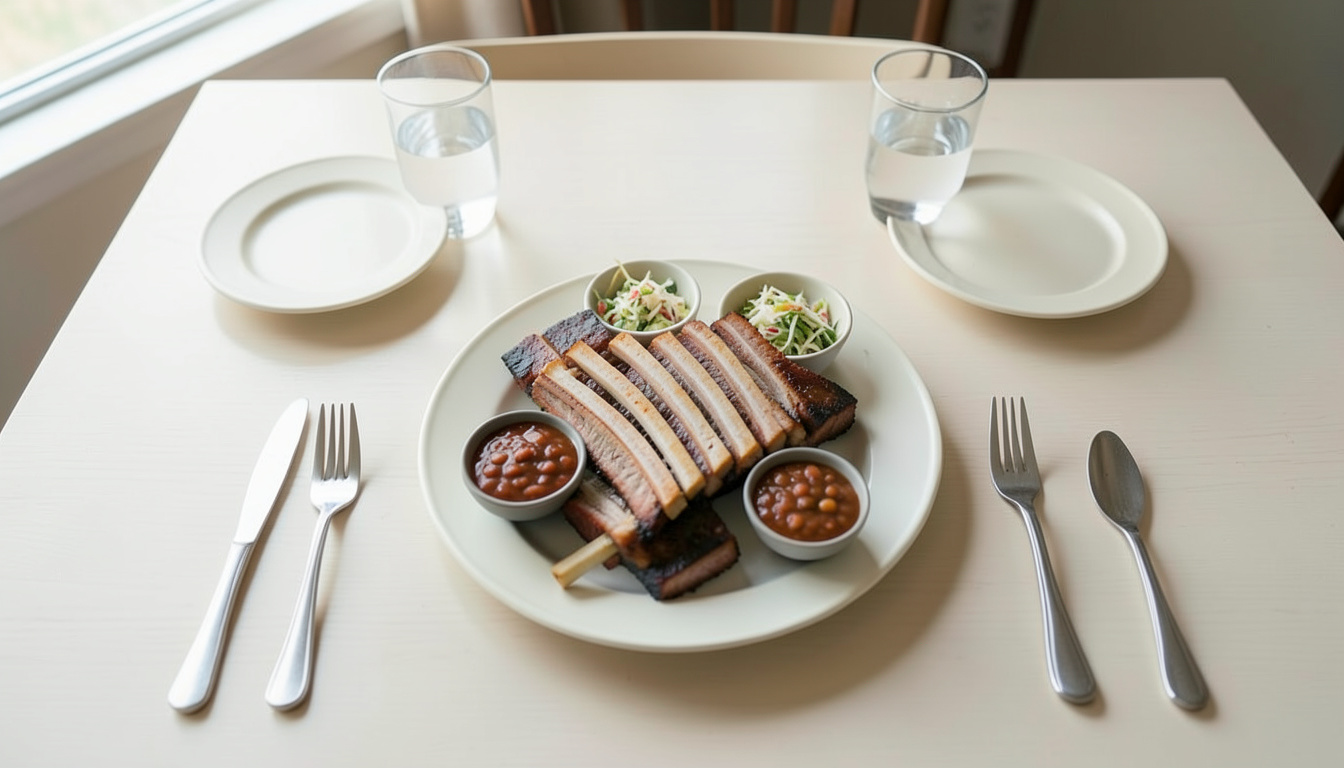
Complete the sides before comparing rib orders
Choose the same target number of comparable side portions for both complete orders. Enter current base quotes, included sides, extra-side prices and other required extras. Example prices are invented; the tool does not contain restaurant quotes.
Example values are filled in; replace them with your own. Nothing you enter leaves this page.
Enter whole, comparable side portions for the entire order.
Enter whole, comparable side portions for the entire order.
Enter whole, comparable side portions for the entire order.
How this is calculated
The target less included portions, with a floor of zero.
How this is calculated
The target less included portions, with a floor of zero.
How this is calculated
Base quote plus missing sides at your entered price and other extras.
How this is calculated
Base quote plus missing sides at your entered price and other extras.
How this is calculated
Positive means the entered St. Louis basket costs more; negative means Kansas City costs more.
Limits: Equal side counts require comparable portions. The tool does not equalize rib cut, meat weight, bone count, appetite or quality. Unwanted included sides receive no invented cash credit. Only entered prices and charges are included; check the complete quote before ordering.
St. Louis wins this round when the Pappy’s rib order and its side choices make the better complete meal for your group. Kansas City wins when the Joe’s dinner already fits, or its matched basket is the one you would rather buy. Give the city its bragging rights for the evening—and keep the actual order behind the story.
Sources and method
- Pappy’s Smokehouse: St. Louis rib menuSource checked · www.pappyssmokehouse.com
- Joe’s Kansas City restaurant menu: rib dinner inclusionsSource checked · www.joeskc.com
- Pappy’s Smokehouse: its stated barbecue style in St. LouisSource checked · www.pappyssmokehouse.com
- Slow smoking, sweet touches and sauce on the side — SauceSource checked · www.saucemagazine.com
- Jeff Stehney is opening his third Oklahoma Joe’s — and he says it’s his last — The PitchSource checked · www.thepitchkc.com
How this article is prepared
Researched and drafted with AI assistance from the cited sources. Examples and calculations retain their stated assumptions; illustrations do not establish restaurant visits or equipment tests.
About BBQ Explorer