Gear & care
Meat thermometer heat ratings: read the probe, cable and housing separately
On this page · 5 sections
Straight answer
Match every temperature rating to its component. These examples separate buried sensors, exposed probe regions, cables and remote electronics; insertion and routing conditions still apply. [1] [2] [4] [7]
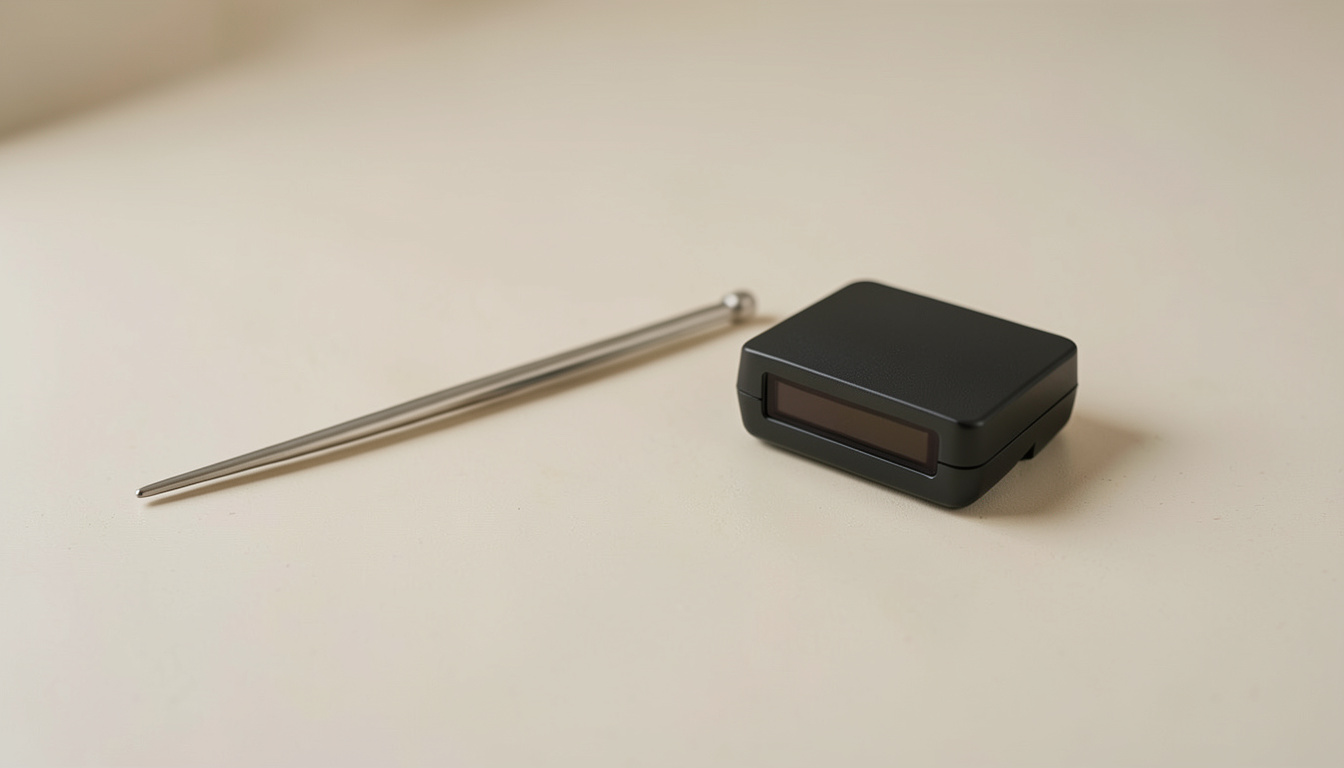
A large number belongs to one component
A thermometer advertisement may show the hottest environment its exposed end can tolerate. Before applying that figure, ask which part it describes, whether it is a measurement range or an exposure limit, and which insertion or routing conditions accompany it.
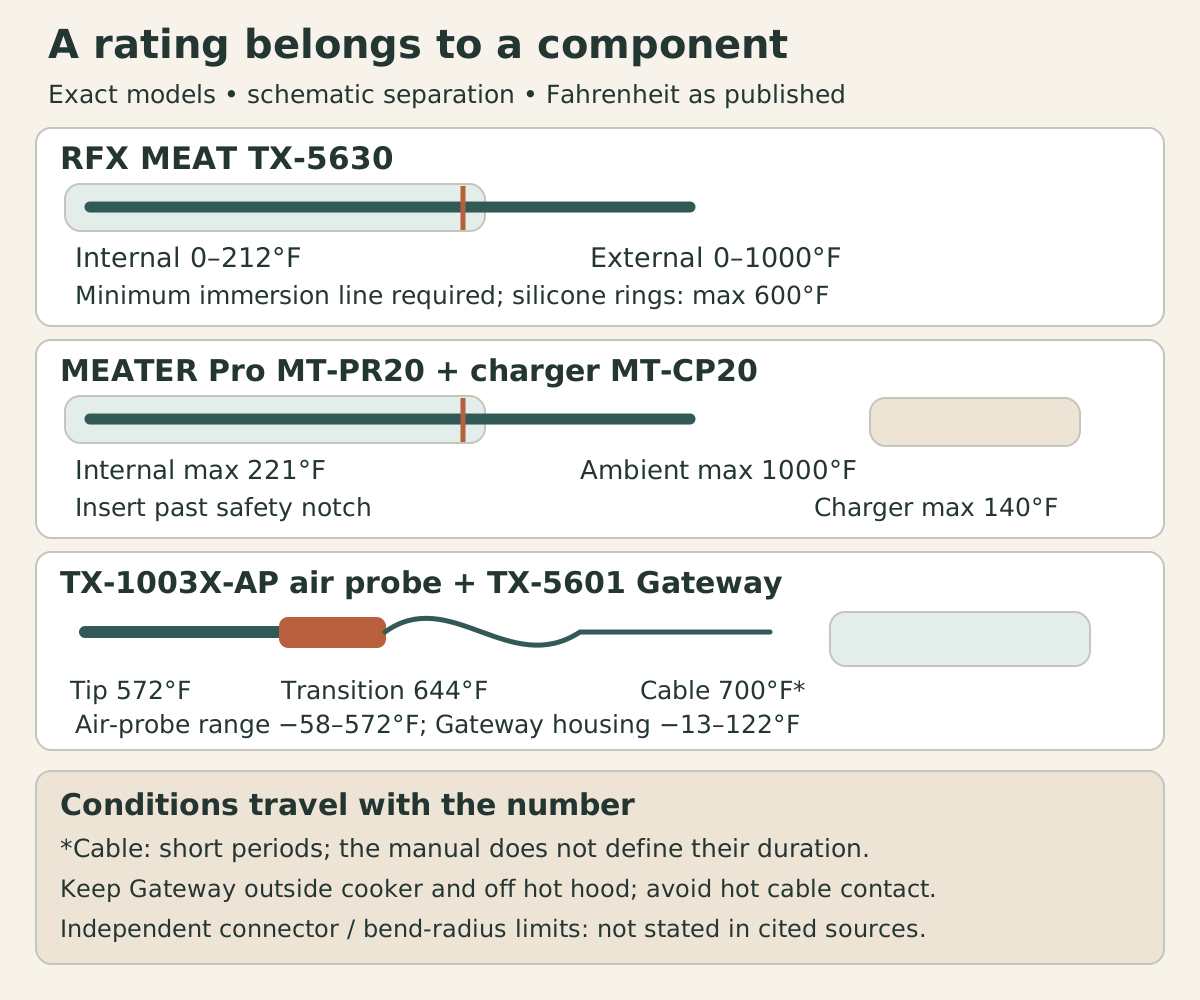
For RFX MEAT TX-5630, the current product table separates a 0–212°F internal operating range from a 0–1000°F external range. Calling it a “1000-degree meat sensor” loses the distinction that matters when the food no longer shields the electronics. [1] [2]
The examples below were checked October 18, 2026, using the named product pages and instructions. They are specification comparisons, not heat tests; keep the manual supplied with your exact model and market beside any newer web guidance.
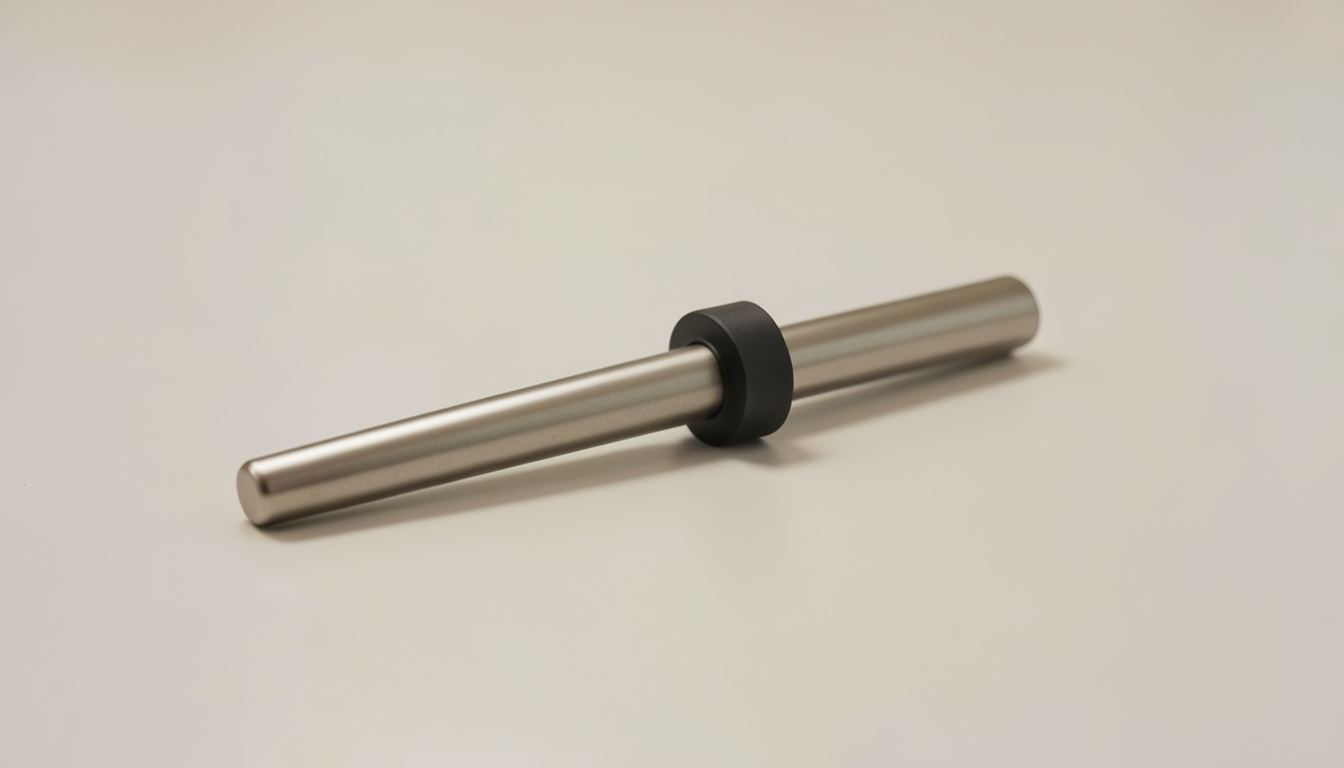
Read the assembly from tip to electronics
On a narrow screen, scroll the table sideways to compare all columns.
| Exact setup | Measured region / range disclosure | Exposed components and limits | Insertion, housing and unknowns |
|---|---|---|---|
| RFX MEAT TX-5630; MEAT instructions P-22-010-02-b [1] [2] | Internal operating range 0–212°F. No cooking-air measurement channel is claimed here for the wireless meat probe. [1] | External operating range 0–1000°F; electronics below minimum line rated 212°F; optional silicone rings limited to 600°F. No cable. [1] [2] | Insert to minimum immersion line and up to recommended line. Charging-block numeric heat limit not stated in these cited documents; do not transfer the exposed-probe figure to it. [2] |
| MEATER Pro / former 2 Plus; probe MT-PR20, charger MT-CP20 [7] | Internal sensor maximum 221°F; ambient sensor maximum 1000°F. The cited safety/support passages do not give a separate full measurement or accuracy band. [7] | The ambient figure belongs to the exposed probe sensor, not its buried internal sensors. Pro Collection charger maximum 140°F. No cable. [7] [8] | Insert past the safety notch; insert/remove away from heat sources; avoid hot charcoal/coals. Keep charger off/away from hot surfaces. No independent handle/connector heat rating is supplied here. [7] |
| Pro-Series High Temp Air TX-1003X-AP with RFX GATEWAY TX-5601; air manual P-14-002-01-c [3] [5] | Air-probe measurement range −58–572°F; tip maximum 572°F. [5] | Transition/handle maximum 644°F; cable withstands 700°F for short periods, duration unspecified. Gateway housing operates −13–122°F. [3] [5] | Suspend air tip in its grate clip, at least one inch from cooker wall; keep tip away from flames/coals. Gateway stays outside the cooker, off hot hood. Connector limit and numerical bend radius not stated. [4] [5] |
Check every component in the environment it will actually occupy. The lowest number in a row is not a universal cooker limit: a remote housing and a food-protected sensor are supposed to occupy different places. [2] [4] [7]
Check the proposed use, not only the setpoint
The Gateway instructions distinguish the cooker setting from contact with much hotter racks, elements, flames or coals. A low dial setting therefore does not establish that a cable lying on a rack meets its instructions. [4]
On a narrow screen, scroll the table sideways to compare all columns.
| Proposed use | What the comparison reveals | Decision before cooking |
|---|---|---|
| Air probe tip reads 300°F; cable touches a hot rack. | A valid tip reading does not resolve the prohibited cable contact. [4] [5] | Change the route according to the unit instructions; do not clear the arrangement from the reading alone. |
| RFX MEAT moved from a thick cut to food too thin to reach its minimum mark. | External heat tolerance does not remove the food-immersion requirement. [1] [2] | Do not use this arrangement; choose a method whose insertion requirements the food can satisfy. |
| MEATER Pro probe exposed region within its stated maximum; charger left beside a hot cooking surface. | Probe and charger have different limits, and the manual separately excludes hot-surface placement. [7] [8] | Move the charger to a location meeting its own instructions; the probe number cannot approve the charger position. |
| A probe sold as “ambient” is TX-1019X-AM. | This exact cold-storage model expressly excludes cooking, despite its air-measurement role. [6] | Do not put it in a cooker; identify the cooking-rated part instead. |
The TX-1019X-AM is a separate counterexample, not a fourth cooking setup: its published range is −58–158°F, with cable and transition maximum 158°F, and its instructions explicitly exclude ovens, smokers and cooking. The word “ambient” describes what it measures, not permission to put it in cooking air. [6]
Keep a component record with the thermometer
Proposed-use record
Copy the exact maker instructions before filling the proposed-use column. An unanswered condition remains unresolved; this record does not certify a setup.
These entries are personal notes. They are not sent to a restaurant or submitted to this site.
Sources and method
- ThermoWorks RFX MEAT TX-5630 current product specificationsSource checked · www.thermoworks.com
- RFX MEAT operating instructions P-22-010-02-bSource checked · www.thermoworks.com
- RFX GATEWAY TX-5601 current specificationsSource checked · www.thermoworks.com
- RFX GATEWAY operating instructions P-22-010-02-bSource checked · cdn.shopify.com
- Pro-Series High Temp Air TX-1003X-AP instructions P-14-002-01-cSource checked · cdn.shopify.com
- Cold-storage ambient TX-1019X-AM instructions P-22-001-01-bSource checked · cdn.shopify.com
- MEATER Pro / 2 Plus safety information MT-PR20 and MT-CP20Source checked · traegergrills.a.bigcontent.io
- MEATER Maximum Temperatures, current official support APISource checked · support.meater.com
How this article is prepared
Researched and drafted with AI assistance from the cited sources. Examples and calculations retain their stated assumptions; illustrations do not establish restaurant visits or equipment tests.
About BBQ Explorer