Gear & care
Do grill grates need seasoning? Identify the finish first
On this page · 4 sections
Straight answer
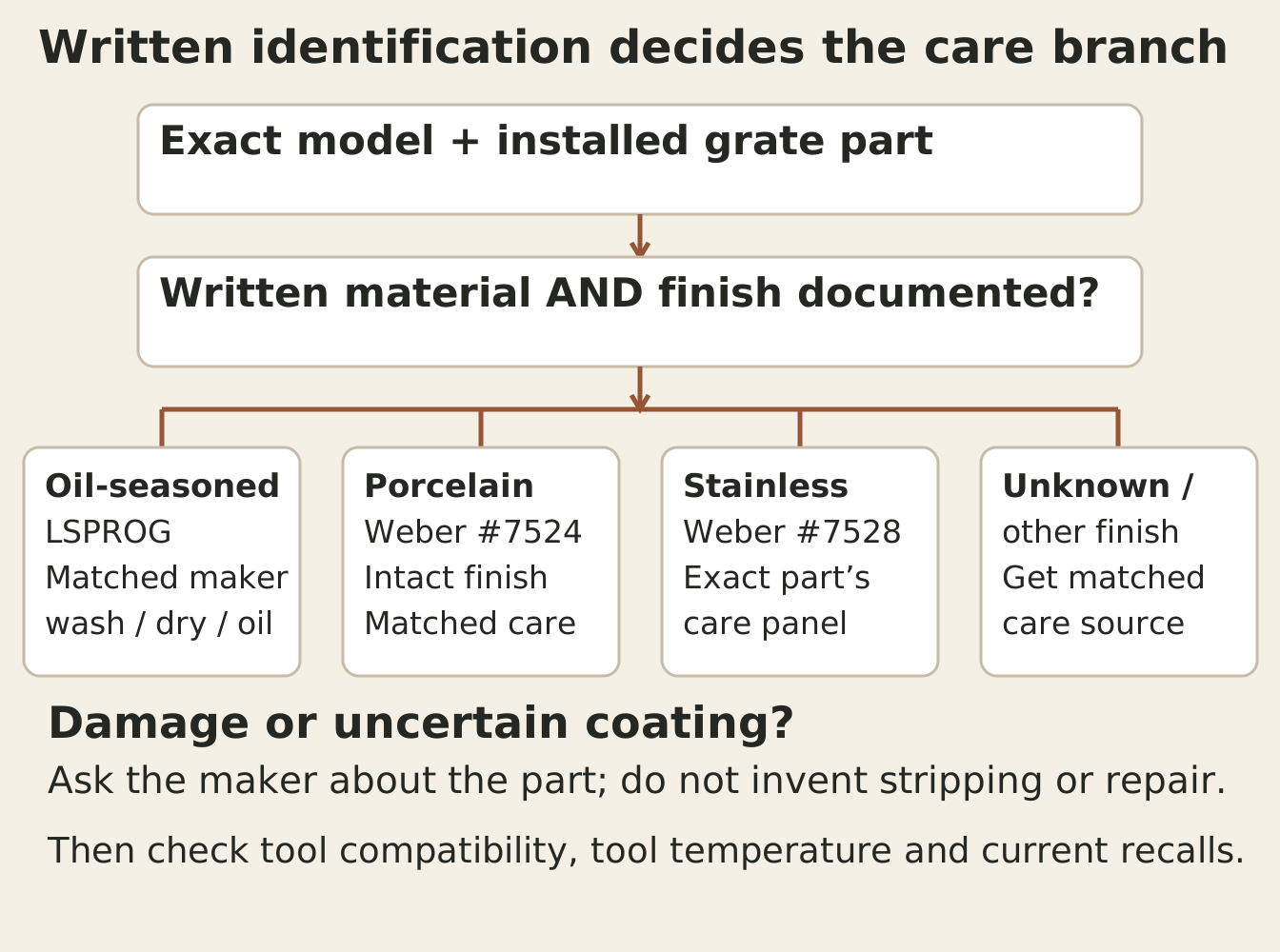
Start with the installed grate’s written material and finish, not its color. Lodge’s oil-seasoned Sportsman’s Pro needs its documented wash, dry and thin-oil upkeep; Weber says its porcelain-enamel coating removes the seasoning requirement. The selected stainless replacement part has its own care panel, which does not establish a rule for every stainless grate. [1] [2] [5] [4]
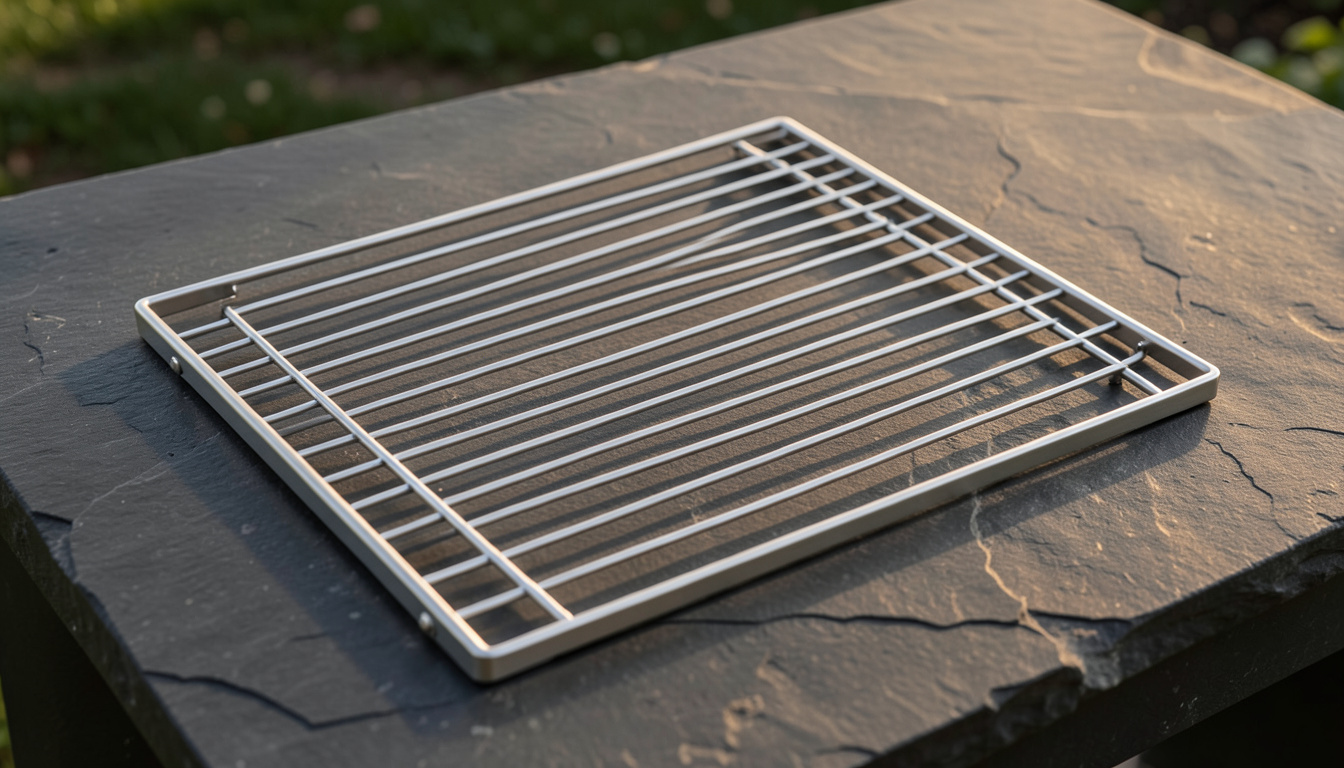
A grill name does not identify its current grate
Two documented Weber replacement sets fit the same older Genesis 300 family: #7524 is porcelain-enameled cast iron, while #7528 is stainless steel. A replacement can therefore change the care decision without changing the grill’s name. Check the installed part and replacement history before choosing instructions. [3] [4]
Bare cast iron here means an oil-seasoned iron surface, distinguished from porcelain enamel. It does not mean the Lodge example arrives unseasoned: its product label expressly identifies factory vegetable-oil seasoning. Lodge describes that seasoning as oil baked onto iron. [1] [7]
- Find the cooker model, market and matching manual; then identify the installed grate part or replacement record.
- Find written descriptions of both material and finish. “Cast iron” alone leaves the coating question open.
- If records say oil-seasoned iron, take the matched maker’s oil-seasoned care branch. If they say porcelain enamel, take that coating’s care branch.
- If records say stainless or another documented finish, use that exact part’s instructions. If the finish remains unknown, obtain matched documentation before applying a seasoning recipe.
- Check the surface condition. A damaged or flaking coating goes to manufacturer guidance rather than an improvised stripping or repair procedure.
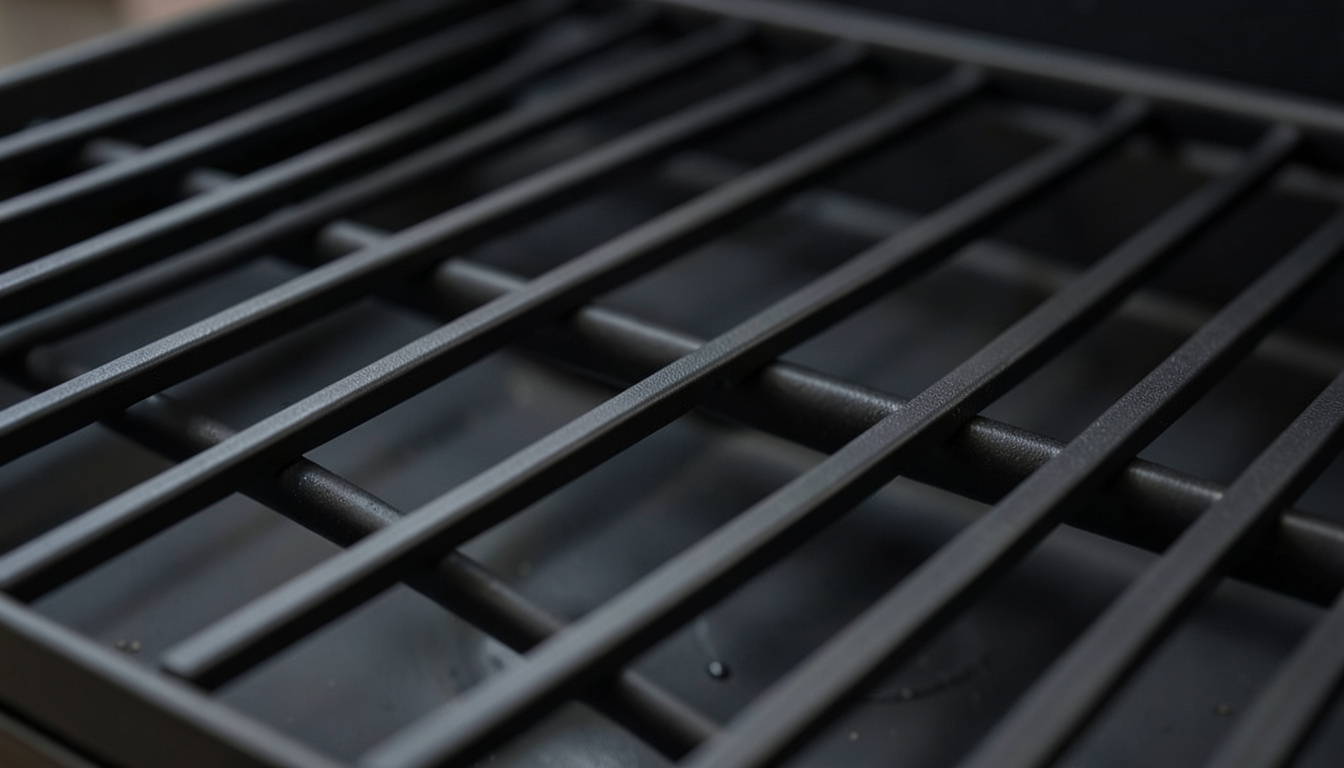
Three examples, three bounded care decisions
On a narrow screen, scroll the table sideways to compare all columns.
| Example / written identity | Seasoning decision | Cleaning and protective care | Limits |
|---|---|---|---|
| Lodge Sportsman’s Pro LSPROG; oil-seasoned cast iron. [1] [7] | Factory-seasoned; maintain it with the matched care rather than treating it as unseasoned metal. [1] [2] | Cool all parts; handwash cooking surface with hot water and nylon scrubber; promptly dry and apply thin oil over the cooking surface. Store dry, preferably indoors. [2] | Hot wash water is not permission to handle a hot grate. This supplies no universal oil, quantity or heat-cycle recipe. |
| Weber US#7524; porcelain-enameled cast iron. [3] | Weber says its porcelain coating removes the seasoning/reseasoning need. Apply this to the verified intact finish. [5] | Avoid metal scraping that damages enamel. If sink cleaning is needed, its guidance uses mild noncitrus soap, hot water, nylon/soft abrasives and thorough drying. [6] | Do not strip enamel to create a seasoning layer or transfer another maker’s coating repair advice. |
| Weber US#7528; stainless steel. [4] | The selected part panel specifies no seasoning step. This is a limited documentary observation, not a claim about every stainless maker. [4] | Panel: high preheat 15 minutes and brush cleaning. Tool compatibility, tool temperature and current recall status require their own check. [4] | The panel does not establish a thin-oil, dishwasher or storage procedure. Consult the matched manual for those decisions. |
Cleaning, a protective film of oil specified by the maker, and a first-use seasoning treatment are different jobs. Lodge’s factory-seasoned surface still has a dry-and-oil upkeep step; Weber’s coating explanation concerns the need for seasoning. Applying oil to something does not tell you which of these jobs you are doing. [1] [2] [5] [7]
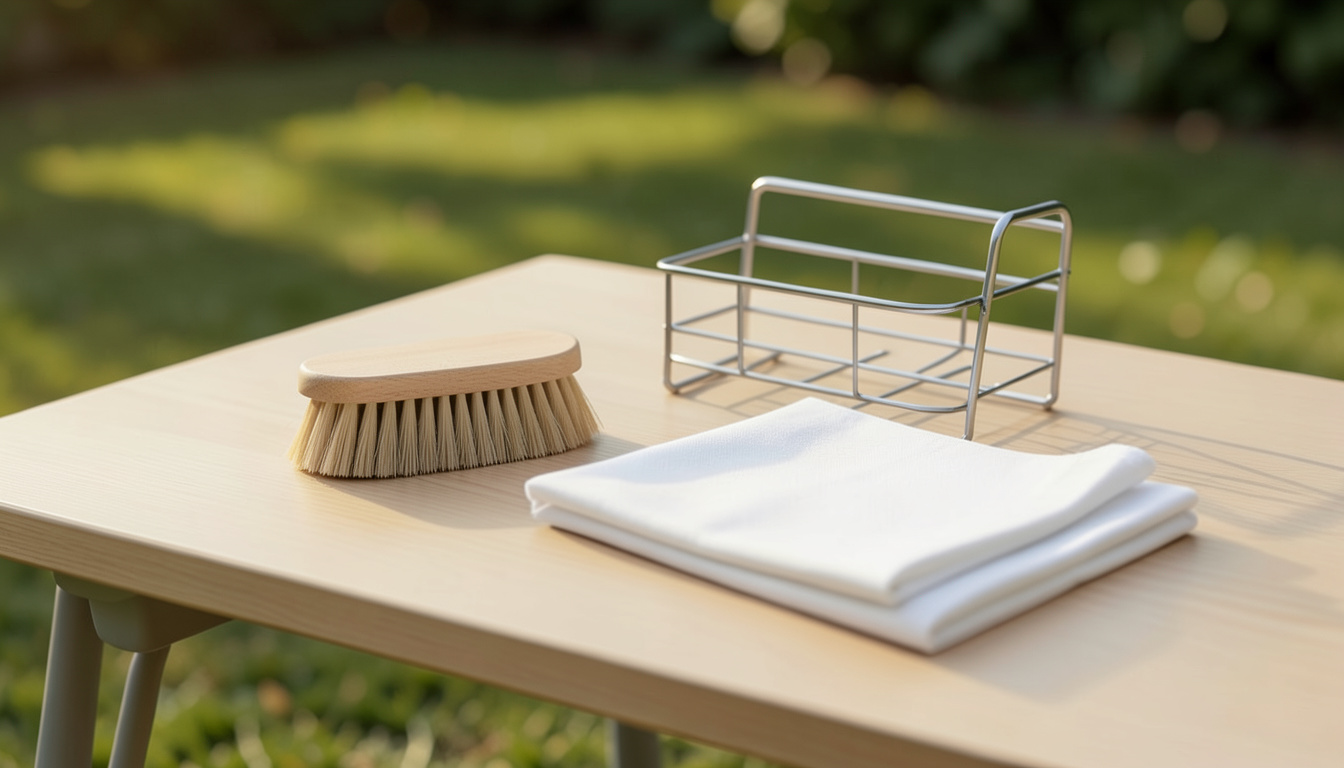
Check the tool as well as the surface
The stainless part’s preheat-and-brush instruction does not identify every acceptable brush or its operating temperature. Read your tool’s own material and temperature restrictions, and check current CPSC recall notices for the exact brand and model before relying on older brush advice. A tool intended for cold surfaces should not be silently substituted into a hot-cleaning step. [4]
If you see a damaged finish or cannot determine what the surface is, save the part number and ask the maker which cleaning or replacement path applies. A photograph can document a concern for support, but it cannot establish an undocumented coating or authorize a repair. Keep aggressive stripping and recoating advice out of an unknown-surface decision.
Your installed-grate record
Start blank and fill from written records; save the exact care source so a future replacement does not inherit the wrong routine.
These entries are personal notes. They are not sent to a restaurant or submitted to this site.
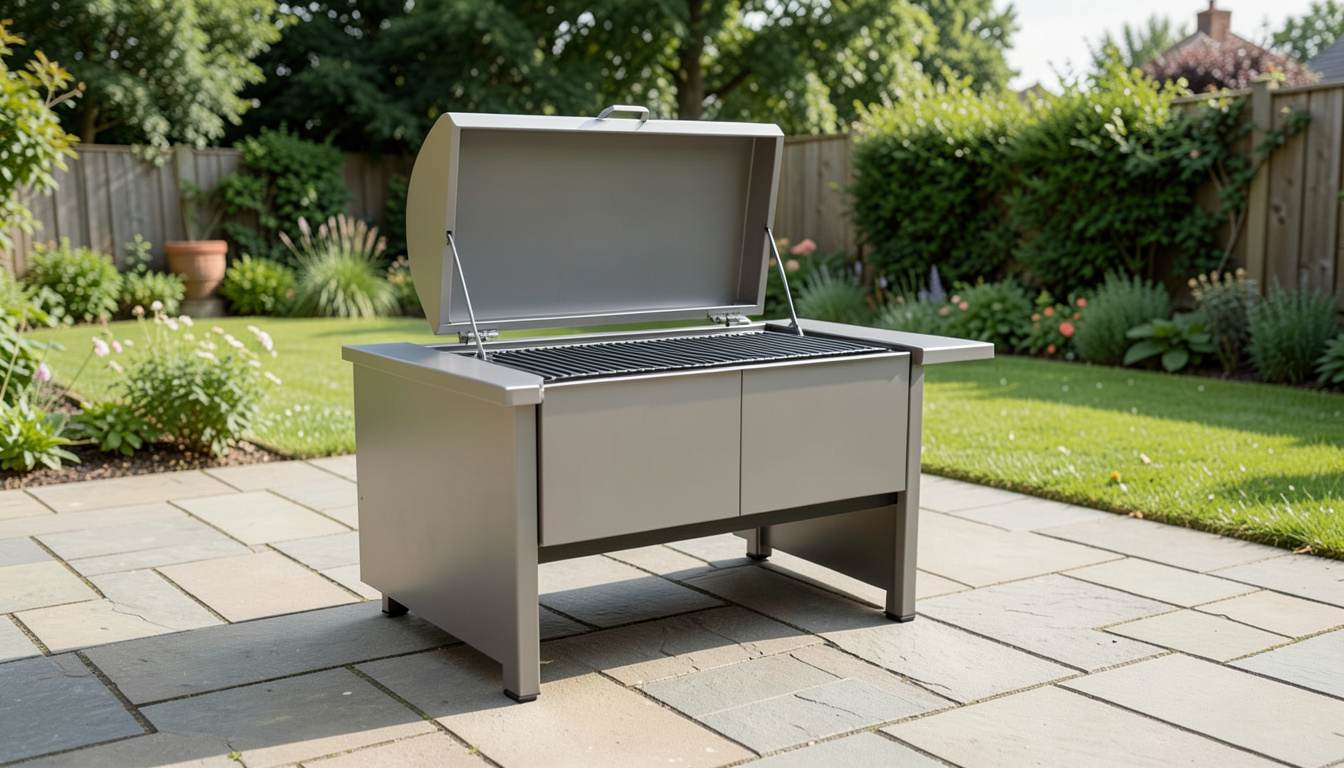
If you are replacing the entire cooker, use the kamado guide or pellet smoker guide for equipment choices. For the grate you already own, the useful next step is smaller: identify the installed part, save its care instructions and follow its branch.
Sources and method
- Lodge Sportsman’s Pro Cast Iron Grill LSPROG current product labelSource checked · www.lodgecastiron.com
- Lodge Sportsman’s Pro specific cleaning/store instructionsSource checked · www.lodgecastiron.com
- Weber US replacement grates #7524 material/care/fitSource checked · www.weber.com
- Weber US replacement grates #7528 material/care/fitSource checked · www.weber.com
- Weber US no-seasoning article for porcelain-enamel gratesSource checked · www.weber.com
- Weber US porcelain-enameled cast-iron corrosion/cleaning careSource checked · www.weber.com
- Lodge Sportsman’s Pro introduction / product-specific iron-and-oil finish explanationSource checked · www.lodgecastiron.com
How this article is prepared
Researched and drafted with AI assistance from the cited sources. Examples and calculations retain their stated assumptions; illustrations do not establish restaurant visits or equipment tests.
About BBQ Explorer