Ordering
Rib tips vs riblets: what the names mean when ordering
On this page · 4 sections
Straight answer
In USDA’s pork purchase specifications, rib tips name a breastbone, costal-cartilage and attached-meat item; loin riblets come from lumbar transverse processes and attached meat. [1] Restaurant labels alone do not tell you which specified cut you are buying. Ask about the actual cut and remaining bone or cartilage before treating tips and riblets as interchangeable.
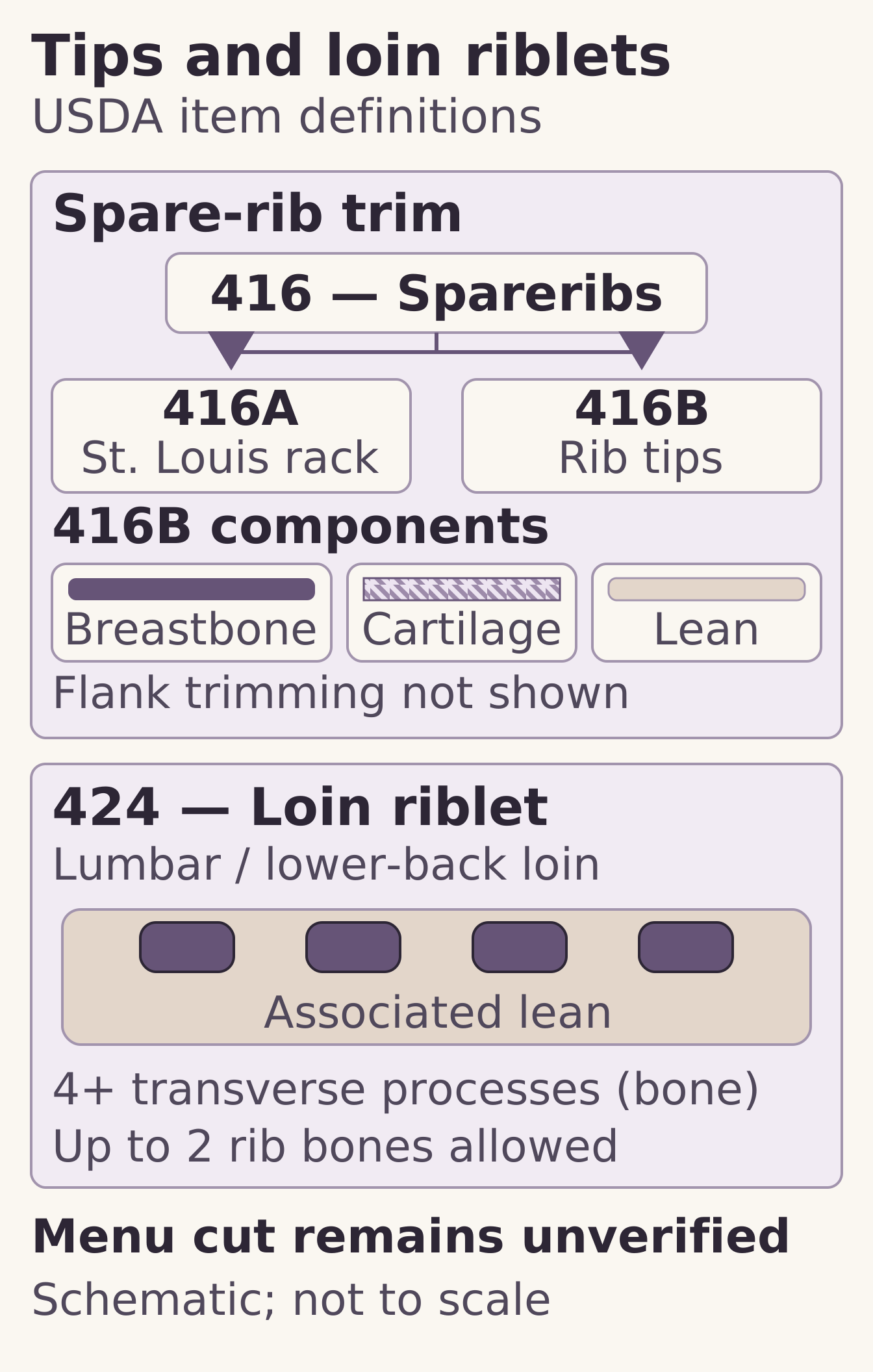
The standardized names identify different products
The AMS specification index lists the Fresh Pork document used here separately from its draft. This edition states effective November 2014, and IMPS are voluntary purchase specifications. [1] [2]
On a narrow screen, scroll the table sideways to compare all columns.
| Specified item | Identifying components | Key distinction |
|---|---|---|
| 416A: St. Louis-style spareribs | Trimmed spare-rib rack. [1] | Sternum, ventral costal-cartilage portion and flank are removed. [1] |
| 416B: Pork Spareribs, Brisket Bones; also rib tips | Sternum/breastbone, costal cartilages and attached lean. [1] | Includes a bone as well as cartilage and meat; it is not a cartilage-only definition. [1] |
| 424: Pork Loin, Riblet | Lumbar transverse processes and associated lean. [1] | At least four processes; at most two rib bones. Those are item criteria, not menu serving promises. [1] |
Item 416A removes the sternum, ventral costal-cartilage portion and flank from item 416 spareribs, with breast removal dorsal to the cartilage’s curvature. When specified, the diaphragm is removed and the rack is split lengthwise into two approximately equal portions. [1]
Item 416B’s alternative name is rib tips, and its components are sternum, costal cartilages and attached lean. The diagram separates that component group from the retained St. Louis rack; it omits the flank trimming rather than labeling all removed material as tips. [1]
Item 424 comes from the lumbar, or lower-back, portion of a bone-in IMPS pork loin after the tenderloin and loin eye are removed. Its associated lean holds the transverse processes intact, and it must be trimmed practically free of surface fat; the purchaser may specify the number of bones. [1]
The specification requires at least four transverse processes, sometimes called paddle or finger bones, and permits no more than two rib bones. Four abstract glyphs in the figure illustrate the minimum; neither their shape nor the rib-bone allowance predicts a restaurant portion. [1]
Ask for the cut before choosing the portion
- If the menu leaves the species unspecified, ask which animal the product comes from.
- Ask the actual cut and which bones or cartilage remain; do not replace an unanswered question with a standardized definition.
- Clarify whole versus chopped presentation and what the portion label or selling unit covers.
- Confirm the side and sauce details for that exact item and location.
The meat guide provides broader cut background. For Chicago restaurant context, use the Chicago guide and Lem’s profile; this article’s purpose is identifying the product before ordering.
Sources and method
- USDA Fresh Pork Series 400 — effective November 2014Source checked · www.ams.usda.gov
- USDA AMS IMPS index — regular and draft linksSource checked · www.ams.usda.gov
- Lem’s operator-site image menu — manual transcriptionSource checked · static.wixstatic.com
- Famous Dave’s Apple Valley-linked To Go PDF — 09/26 footerSource checked · www.famousdaves.com
- Famous Dave’s Apple Valley location and menu linksSource checked · www.famousdaves.com
- Applebee’s riblets plate — official cm.applebees.com pageSource checked · cm.applebees.com

How this article is prepared
Researched and drafted with AI assistance from the cited sources. Examples and calculations retain their stated assumptions; illustrations do not establish restaurant visits or equipment tests. Additional editorial and image review is pending.
About BBQ Explorer