Gear & care
Boning, slicing and carving knives: match the blade to your BBQ task
On this page · 5 sections
Straight answer
Use the exact task and product features. The selected boning knife serves close trimming; the selected slicer and carver both cover cooked-meat portioning, so their names overlap. [1] [2] [3]
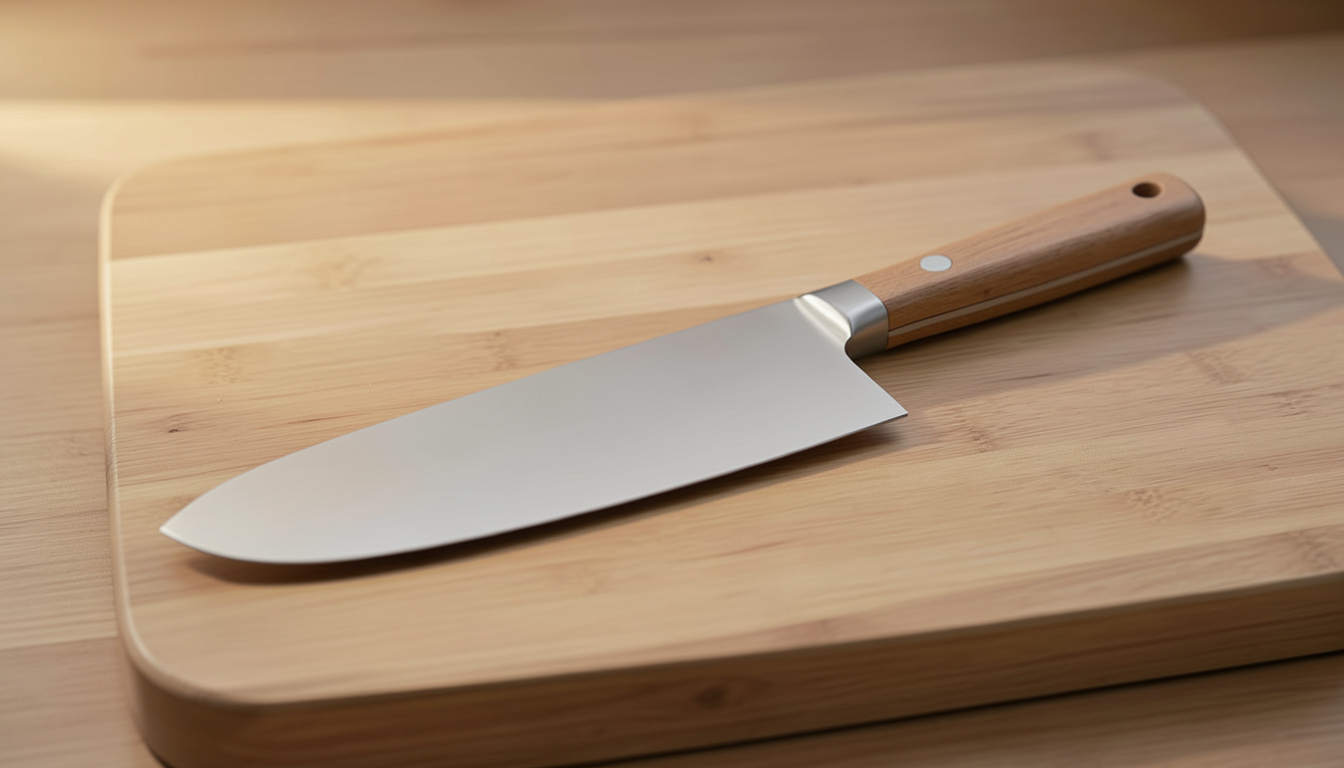
Choose the job before the knife name
First describe the cut you need to make: close trimming around a contour, broad slices through a cooked roast, or portioning at the table. Those descriptions are more useful than searching for one universal “BBQ knife.”
In Victorinox’s examples, the boning knife is described for delicate trimming and deboning, while both the slicer and carver are described for cooked-meat work. “Slicing” and “carving” overlap here; the product names do not establish mutually exclusive techniques. [1] [2] [3]
The comparisons use three current US product pages checked October 18, 2026, plus the maker’s UK boning-role explainer. They describe catalog features, not our sharpness, edge-retention, cutting-force or flexibility tests.
Three representative products, with missing features left blank
On a narrow screen, scroll the table sideways to compare all columns.
| Exact US item / maker title | Blade / overall length | Edge and flexibility disclosure | Maker-stated use and what it cannot establish |
|---|---|---|---|
| 5.6413.15 — Fibrox Boning Knife Straight Blade, 6 in [1] | Blade 5.9 in; overall 11.3 in. [1] | Straight edge; extra-narrow, flexible blade. [1] | Delicate trimming/deboning. No measured bend angle, deflection or force comparison is supplied. [1] |
| 5.4723.30 — Fibrox Slicing Knife Granton Blade, 12 in [2] | Blade 11.8 in; overall 17.3 in. [2] | Fluted edge; rounded tip. Flexibility not stated on the cited page. [2] | Large roasts and cold cuts. Maker describes reduced sticking/drag; no quantified release test is reported here. [2] |
| 7.7203.20G — Grand Maître Carving Knife, 8 in [3] | Blade 7.9 in; overall 13.5 in. [3] | Straight edge; forged construction. Flexibility not stated on the cited page. [3] | Carving and slicing cooked meats. Forged construction is not a measured stiffness comparison against the other two. [3] |
Use the detailed blade field when comparing these pages: the “6 in,” “12 in” and “8 in” titles accompany 5.9-, 11.8- and 7.9-inch blade values. Do not substitute overall tool length for available cutting edge, or silently turn a rounded product title into your own measured dimension. [1] [2] [3]
Only the selected boning product explicitly calls its blade flexible. Leave the slicer and carver flexibility entries unstated; a claim that all carvers are stiff, or that every long slicer bends, would go beyond these sources. [1] [2] [3]
Match a feature to a task, then plan the movement
These original sketches translate the maker’s task descriptions into planning cues. Blade icons and food outlines are schematic, not traced product profiles, anatomical cutting maps or instructions to force a blade through bone.
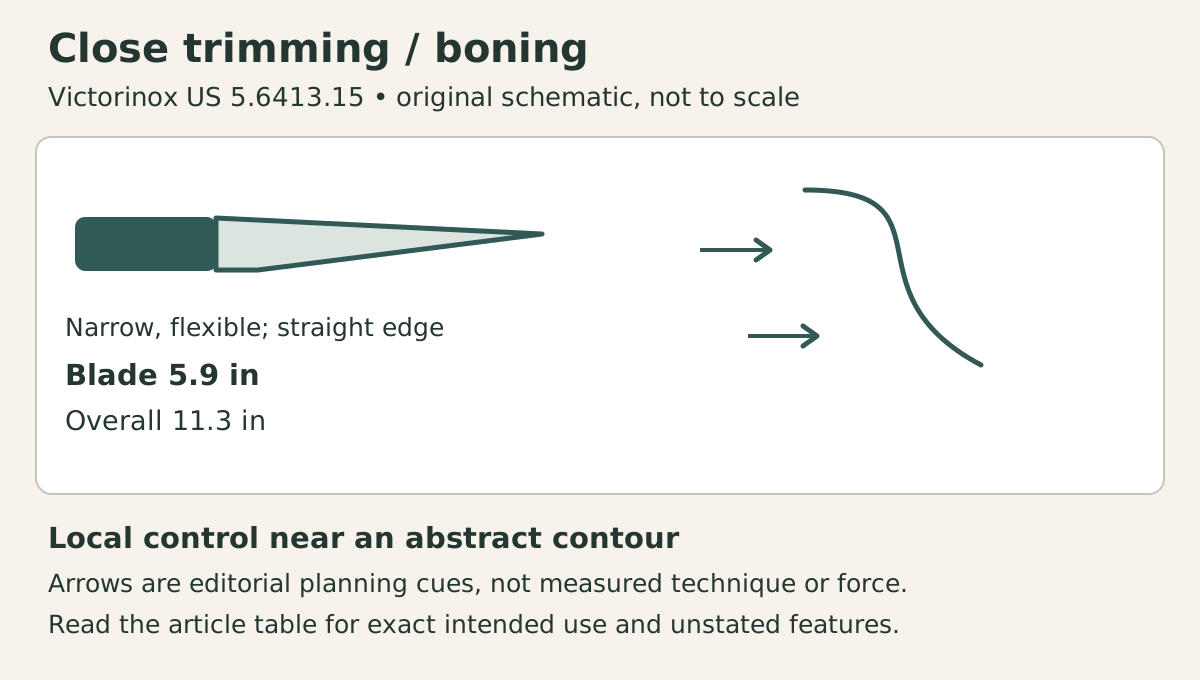
For close trimming, the useful feature in this example is the narrow blade and maker-stated flexibility, not a promise that it cuts every tissue effortlessly. The role guide also discusses standard boning blades, so flexibility is a model choice within the category, not the definition of the word boning. [1] [4]
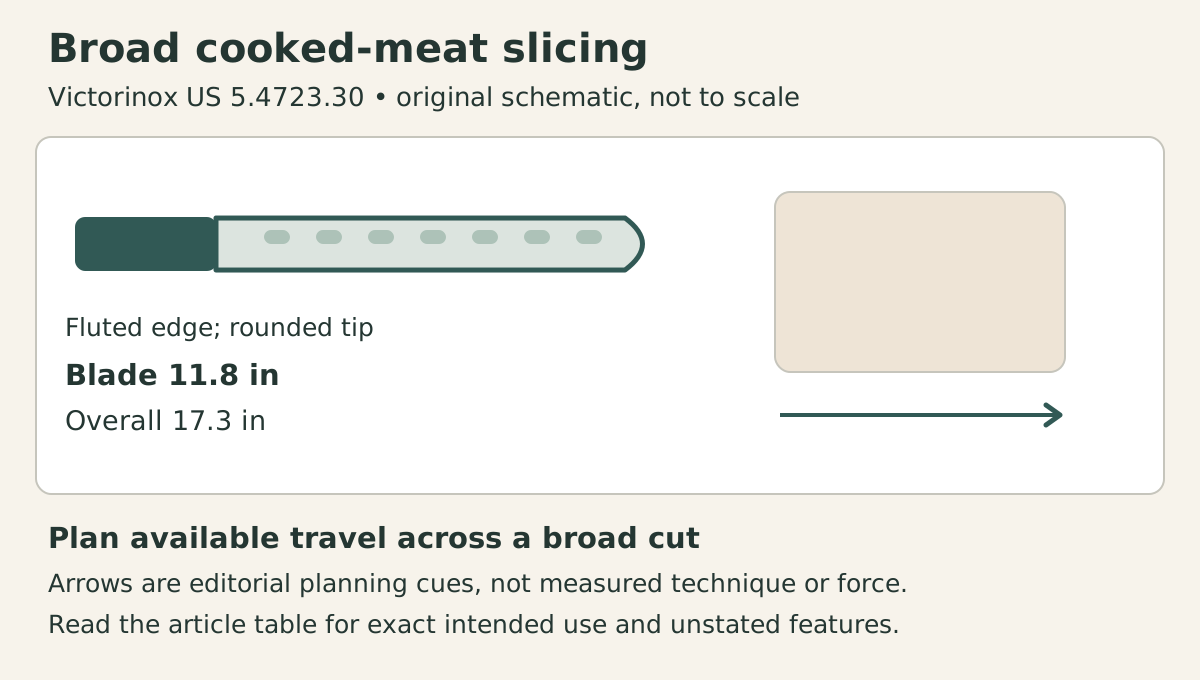
For a broad cooked cut, compare the stated blade length with the cut you expect to portion and the clear work area you actually have. The maker’s fluting description is useful product information; it does not demonstrate how much a sticky bark or a particular slice would release in your kitchen. [2]
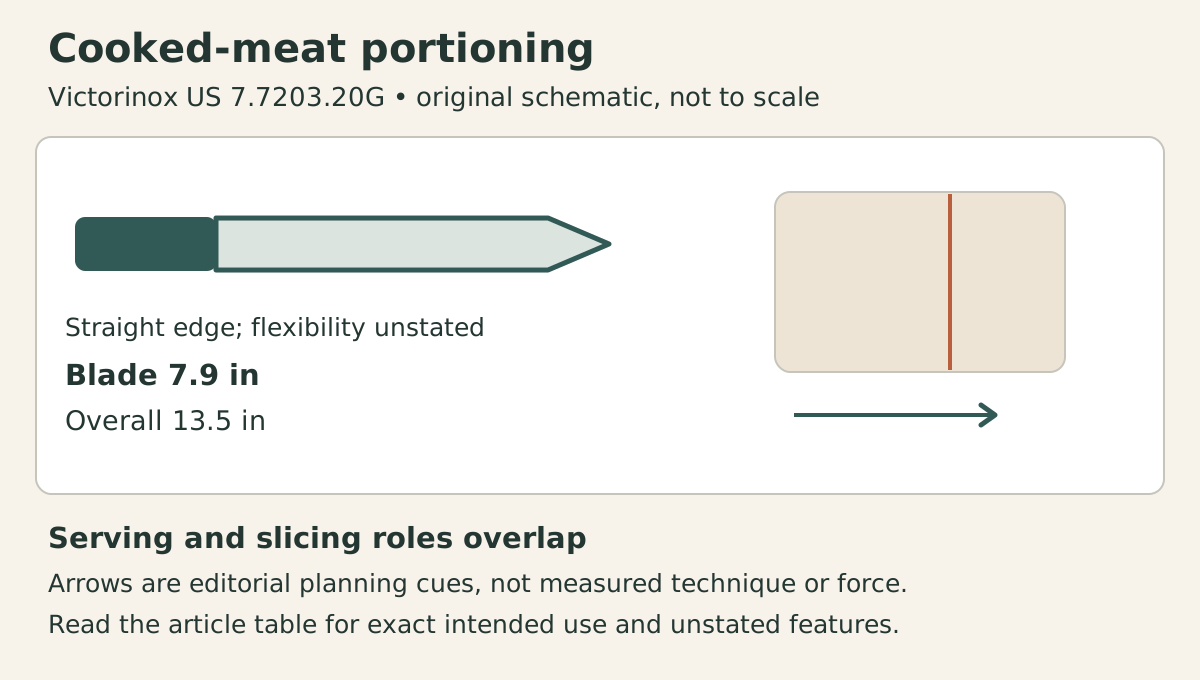
If your job is serving a cooked roast, both of the selected slicing/carving descriptions are relevant. Compare the actual lengths and your working area rather than buying both because the titles sound like separate mandatory steps. [2] [3]
On a narrow screen, scroll the table sideways to compare all columns.
| Your task description | Feature to look for in the actual listing | Planning cue / unanswered question |
|---|---|---|
| Small, local trimming around a contour. | A narrow blade and explicitly stated flexibility, as in 5.6413.15. [1] [4] | Plan controlled local movements; the sketch does not specify a force, angle or anatomical route. |
| Broad slices through a cooked roast. | Stated cutting length and intended roast-slicing role, as in 5.4723.30. [2] | Check usable travel and clear board space with the tool you own; no universal minimum board dimension follows from a catalog length. |
| Portioning a cooked roast for serving. | A maker-stated cooked-meat role; 7.7203.20G also qualifies for slicing. [3] | Check reach and storage fit. Ask for a flexibility specification if that matters; do not infer it from the name. |
Make the next purchase answer a missing task
Knife task and space record
Fill this with your actual job and tool dimensions. It is a comparison aid, not a shopping score or a cutting-safety certification.
These entries are personal notes. They are not sent to a restaurant or submitted to this site.
Include storage in the comparison before checkout: write down where the actual knife will go and check the intended holder or guard against that tool. The three overall lengths in the table help identify a fit question; they do not verify a particular drawer, block or sheath. [1] [2] [3]
Once the task is clear, use the brisket-knife buying guide for product research. The meat guide helps identify the cut you plan to prepare, and the gear hub covers the rest of the setup.
Sources and method
- Victorinox US Fibrox Boning Knife Straight Blade 5.6413.15Source checked · www.victorinox.com
- Victorinox US Fibrox Slicing Knife Granton Blade 5.4723.30Source checked · www.victorinox.com
- Victorinox US Grand Maître Carving Knife 7.7203.20GSource checked · www.victorinox.com
- Victorinox UK What Is a Boning Knife and What Is It Used For?Source checked · www.victorinox.com
How this article is prepared
Researched and drafted with AI assistance from the cited sources. Examples and calculations retain their stated assumptions; illustrations do not establish restaurant visits or equipment tests.
About BBQ Explorer