Brisket Cost Calculator
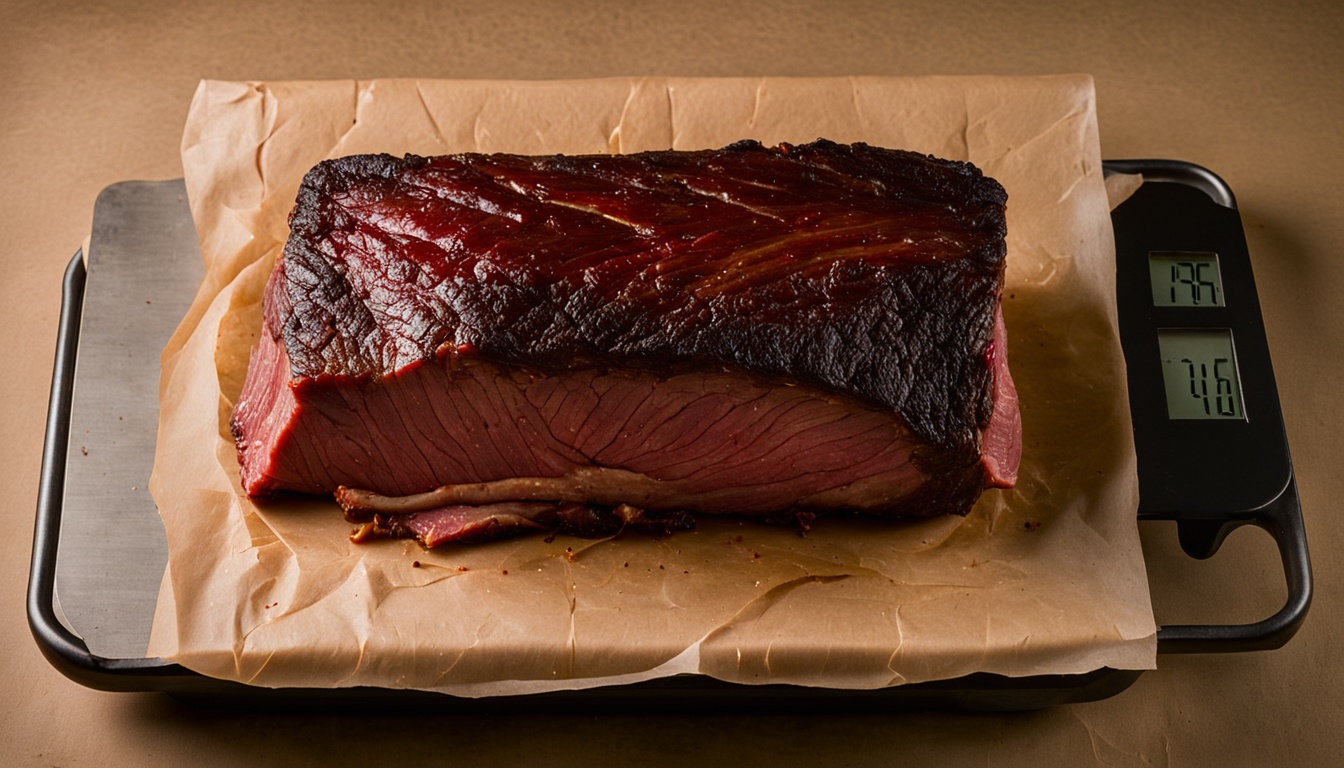
Plan a whole packer with approximately 1 pound of starting raw weight per guest. That purchase calculation does not estimate cooked yield. The separate USDA scenario applies only to a braised brisket flat half trimmed to 1/8 inch: 69% yield, with a 65-76% range across 20 samples.
Plan a brisket purchase
Enter your own price. The whole-packer purchase plan and USDA braised flat-half scenario stay separate because the USDA yield does not describe a smoked whole packer.
Whole-packer purchase planning
Uses approximately 1 raw pound per guest as a planning factor. It calculates purchase weight and raw purchase cost, without estimating cooked yield.
USDA braised flat-half scenario
Applies only to the USDA braised brisket flat half trimmed to 1/8 inch. The reference yield is 69%, and the workbook sample range is 65–76%.
| Item | Value | Source |
|---|---|---|
| Whole-packer purchase-planning basis | Approximately 1 pound starting raw weight per person | AmazingRibs |
| Fat-cap guidance in the named smoked-brisket recipe | Trim to about 1/4 inch | AmazingRibs |
| USDA test cut and preparation | Beef brisket flat half, separable lean and fat, trimmed to 1/8 inch, braised | USDA ARS workbook |
| USDA braised flat-half mean cooking yield | 69% | USDA ARS workbook |
| USDA braised flat-half sample range | 65-76%, n=20 | USDA ARS workbook |
Scope and caveats
The page keeps purchase planning and the laboratory yield scenario separate.
- Whole-packer planning uses an approximate planning factor of 1 raw pound per person: raw pounds = guests x 1 pound. Purchase cost is raw pounds x the reader's raw price per pound, and raw purchase cost per serving is purchase cost divided by guests.
- The whole-packer calculation stops at raw purchase weight and cost. It does not estimate a cooked weight or apply a cooking-yield percentage to a smoked whole packer.
- The 69% reference and 65-76% range cover a braised beef brisket flat half, separable lean and fat, trimmed to 1/8 inch; the range comes from 20 samples. They are not smoked-whole-packer figures.
- In that separate flat-half scenario, cooked weight equals raw flat weight x yield. Cooked cost per pound equals raw price per pound divided by yield; multiplying price by yield would reverse the cost relationship.
- The 1/4-inch fat-cap guidance comes from the named AmazingRibs smoked-brisket recipe. It is different from the USDA workbook's 1/8-inch flat-half test specification.
- No current brisket price is prefilled. Every price is supplied by the reader, and the page makes no retail-price claim.
How this page is sourced
Purchase planning and the USDA braised flat-half scenario are calculated separately. Every price and weight beyond the cited planning basis is entered by the reader; this page supplies no current meat price.
FAQ
How much whole-packer brisket should I buy per guest?
The purchase-planning basis is approximately 1 pound of starting raw weight per person. Multiply the guest count by 1 pound; this gives raw purchase weight, not expected cooked weight.
What does the USDA 69% brisket yield cover?
It covers a braised beef brisket flat half, separable lean and fat, trimmed to 1/8 inch. The workbook gives a 69% mean and a 65-76% range across 20 samples.
Does this calculator apply 69% yield to a smoked whole packer?
No. The 69% figure belongs only to the USDA braised flat-half scenario. The whole-packer side calculates raw purchase weight, purchase cost, and raw purchase cost per serving without a cooked-yield assumption.
How is cooked cost per pound calculated in the flat-half scenario?
Divide the reader's raw price per pound by the selected yield rate. At the USDA 69% reference yield, the divisor is 0.69. The calculator never multiplies raw price by yield to label a cooked cost per pound.
How much fat cap does the cited smoked-brisket recipe keep?
The AmazingRibs recipe calls for trimming the brisket fat cap to about 1/4 inch. That recipe guidance is not the same preparation as the USDA 1/8-inch-trimmed braised flat-half test.